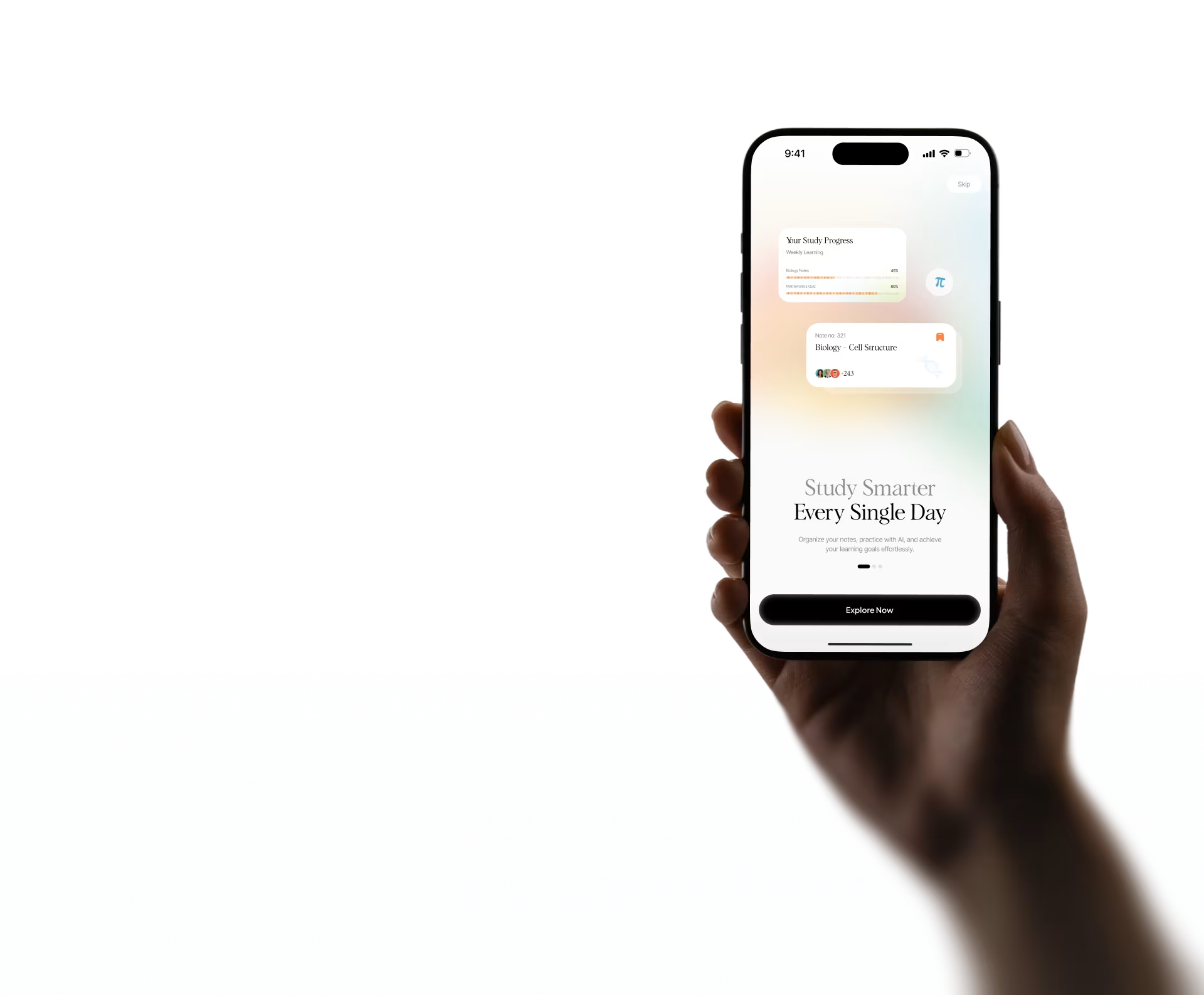
Full Stack Development SaaS & Web Apps
Build custom SaaS and web apps with frontend, backend, APIs, databases, and integrations tailored to your business needs.


100+ reviews on

&


App Strategy

Custom App Development

AI app Development
.svg)
SaaS mobile App

iOS App
App Strategy
Custom App Development
AI app Development
SaaS mobile App
iOS App





.webp)

.webp)



.webp)








Trusted by 105+ Ambitious Teams Worldwide
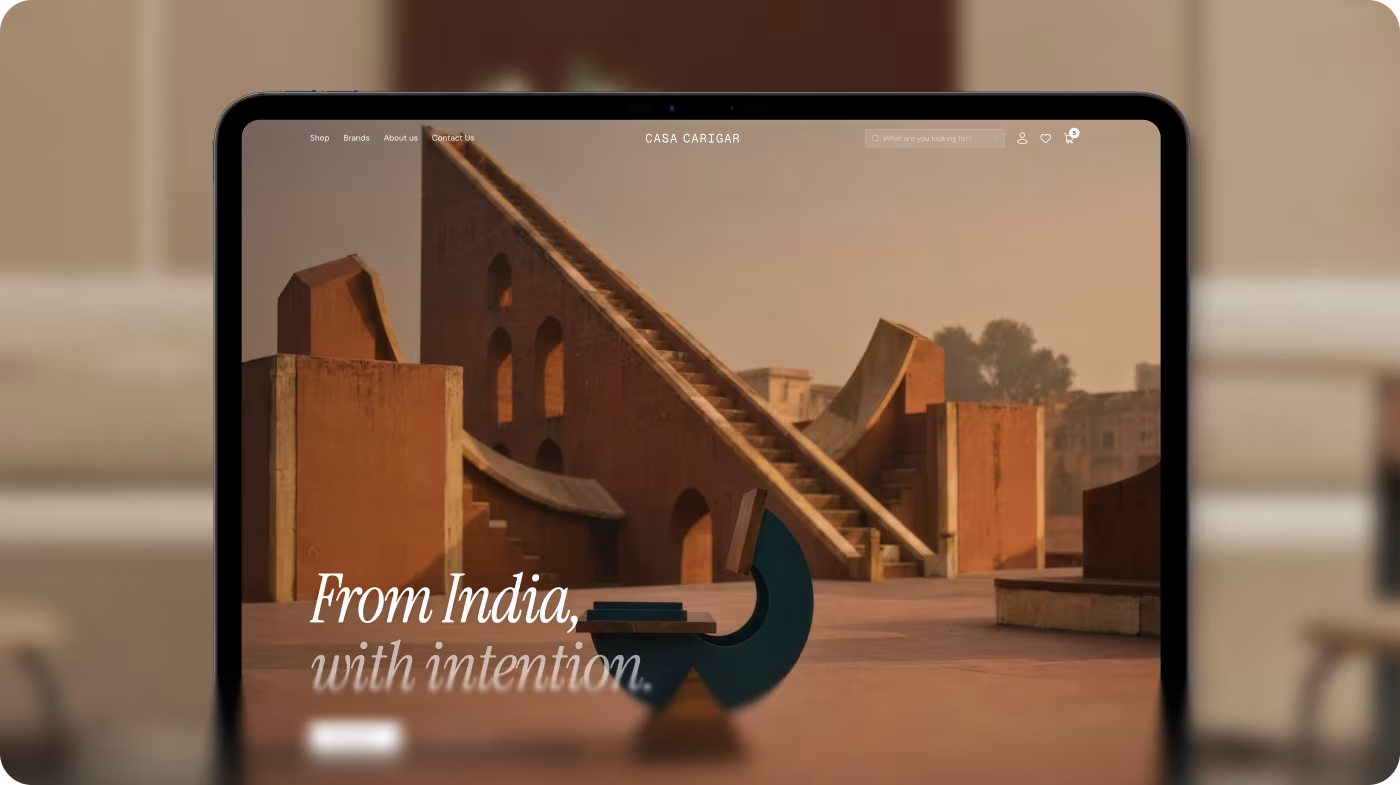
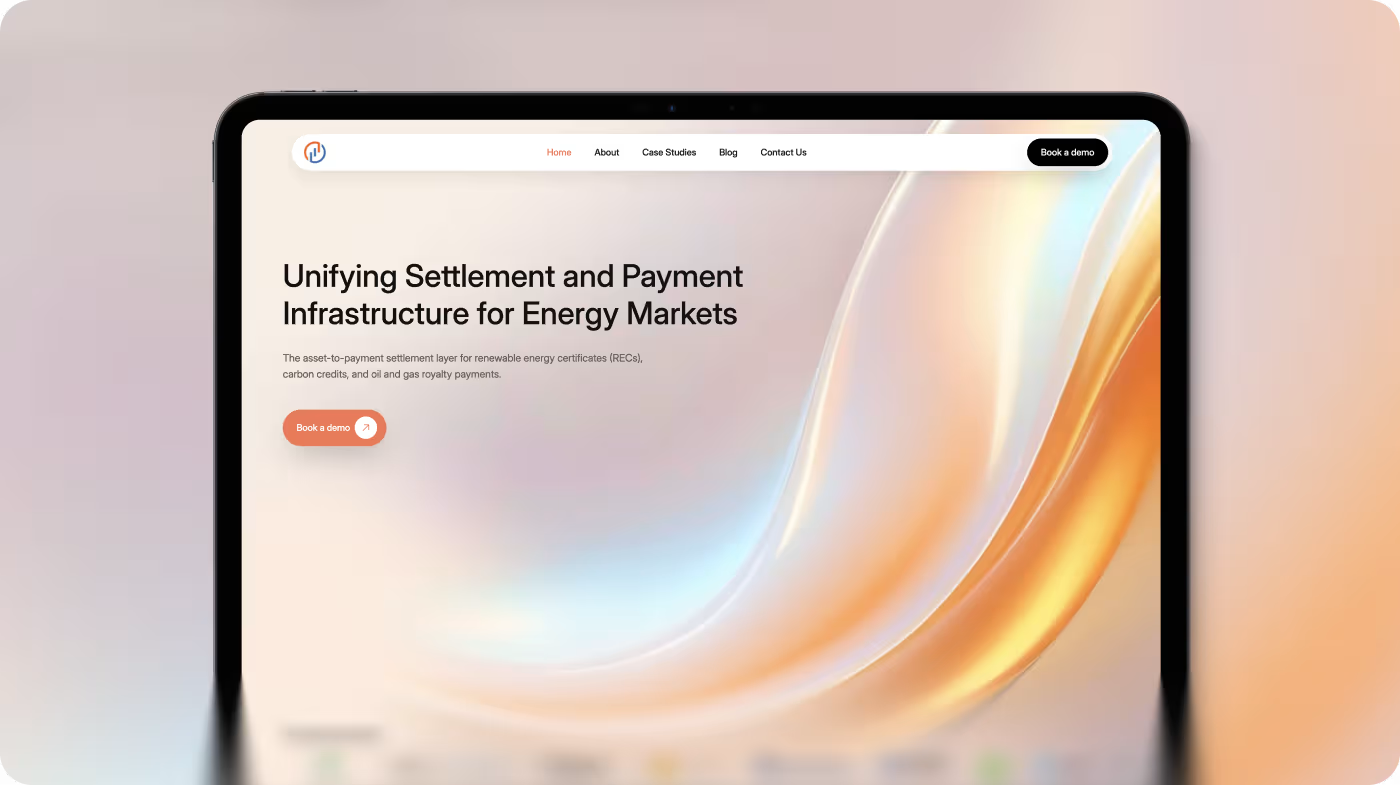
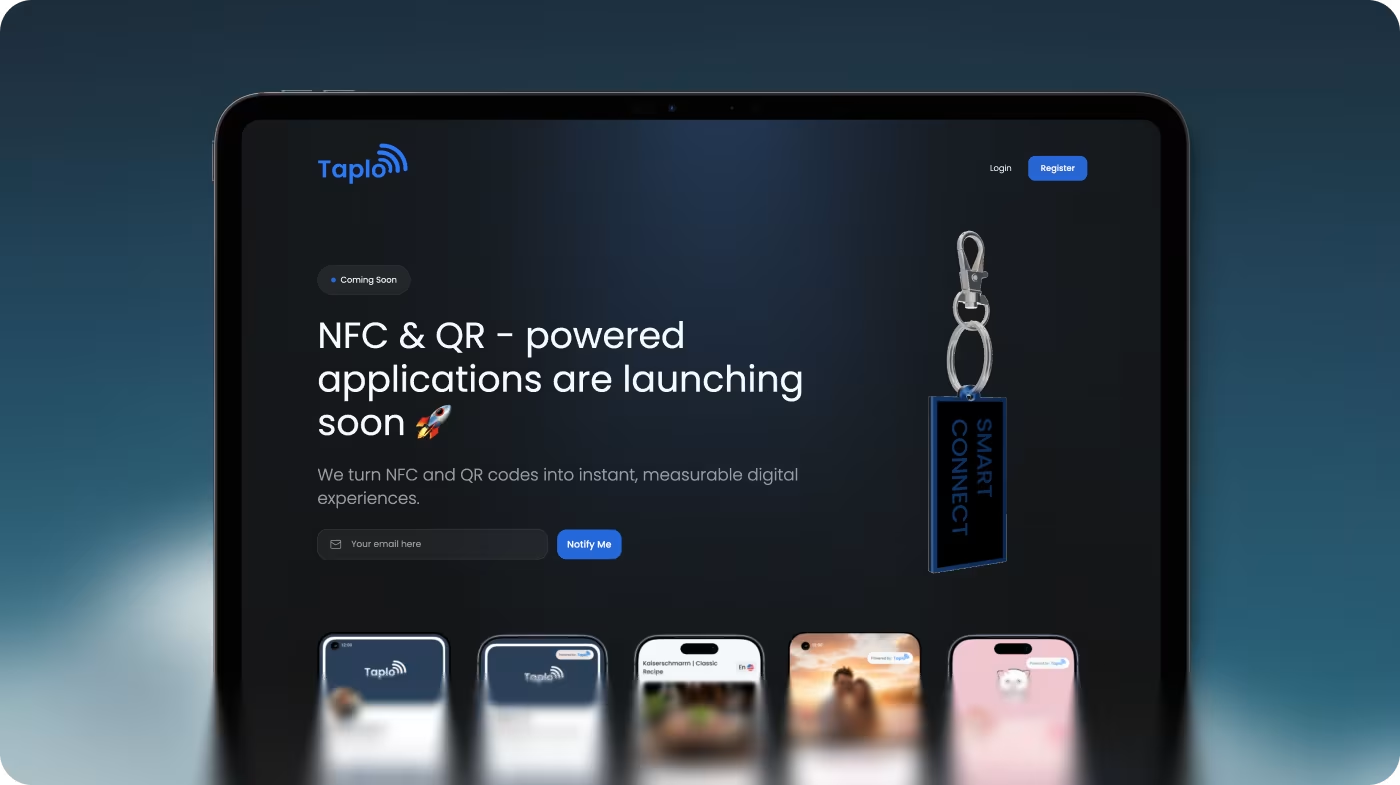
Explore our latest work across industries

.avif)

.svg)

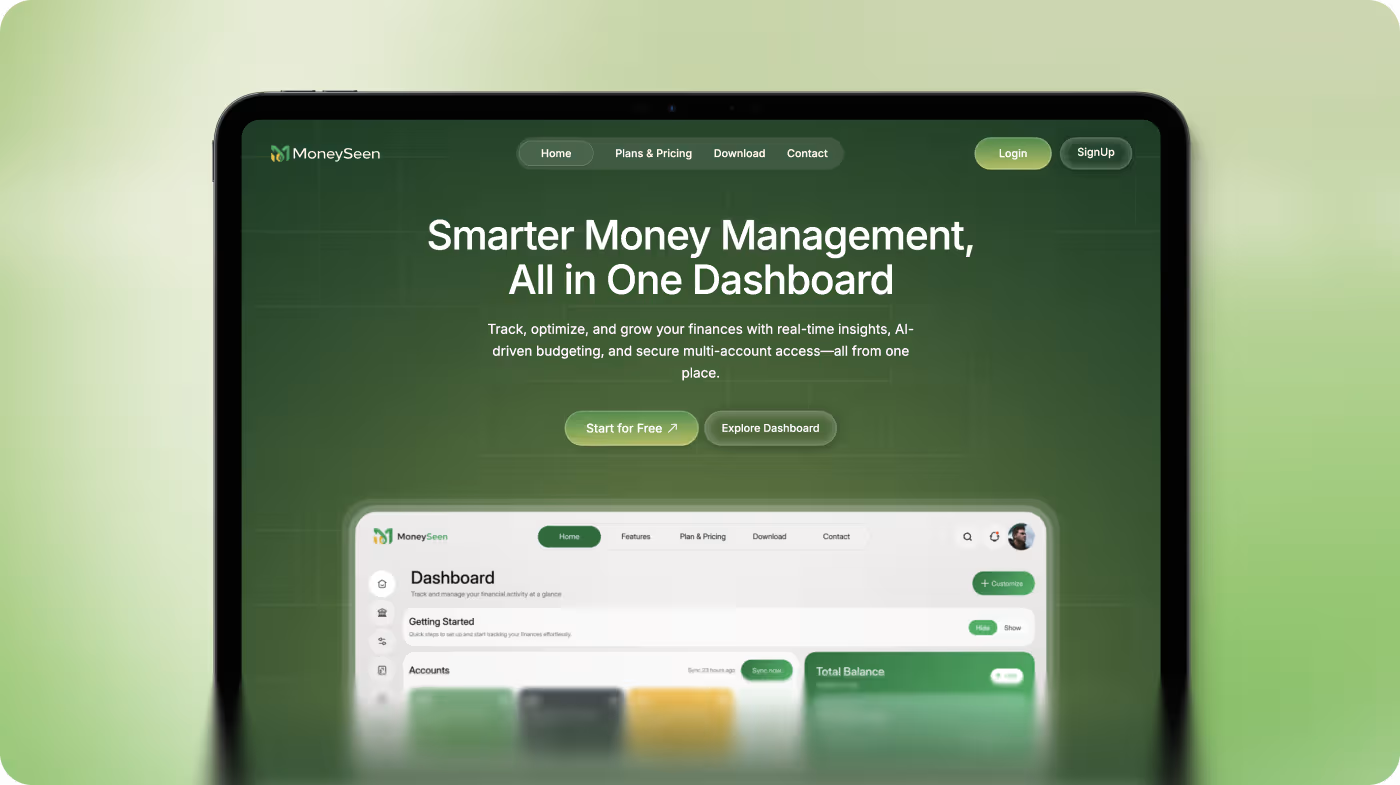
Project 01
Flowrix gets 46% more CTA clicks
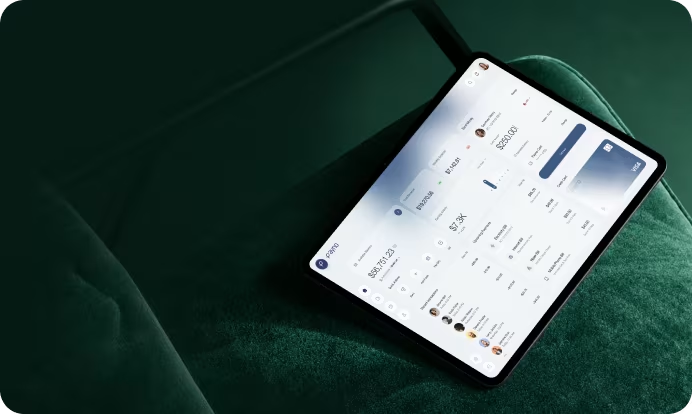
Your money, spread across five apps, is confusing. Flowrix put it all in one place.
Project 02
Wink simplifies fashion experience
We redesigned product discovery, checkout, and backend management into a simpler, more connected experience.
Project 03
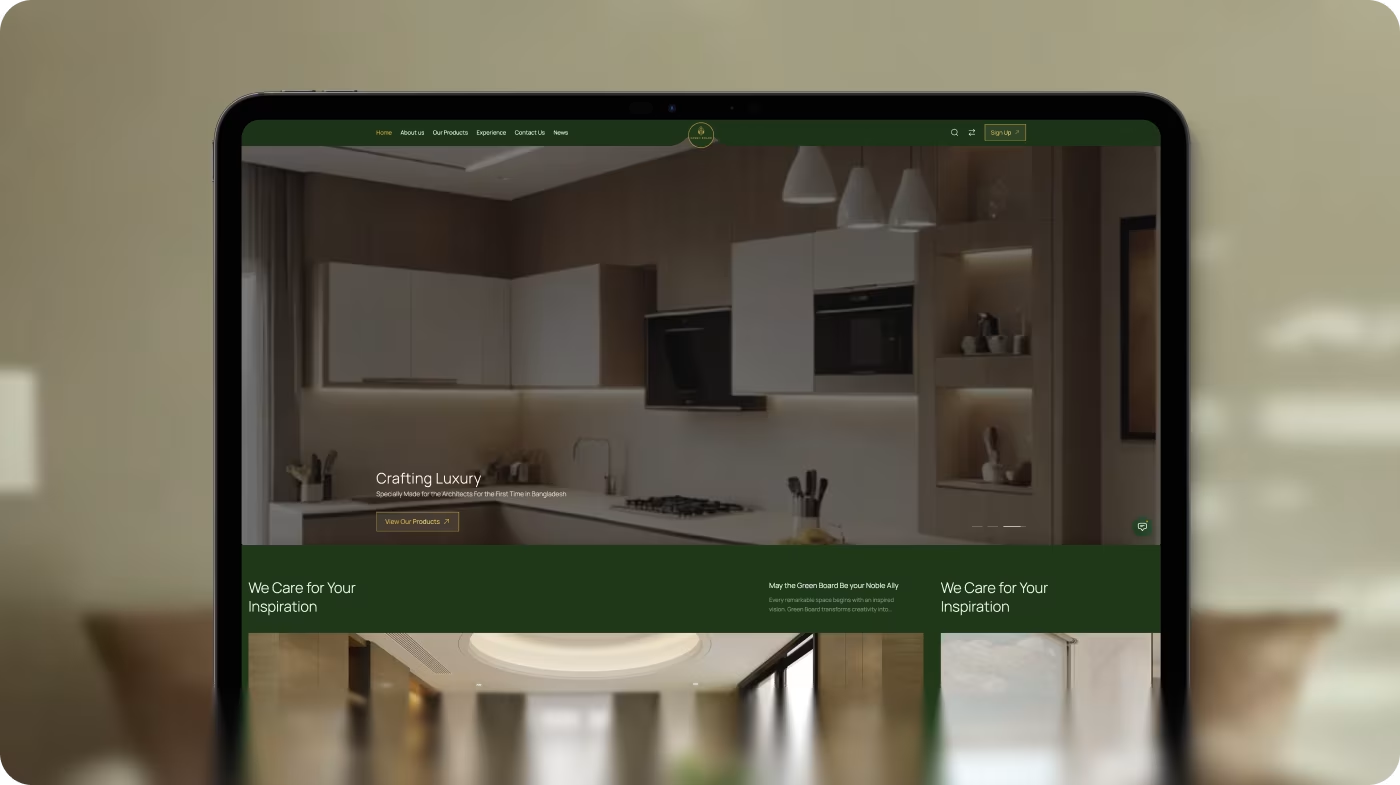
BlueCat gets 38% more inquiry clicks
Clearer navigation and focused visuals turned a disconnected website into a more unified experience.
Project 04
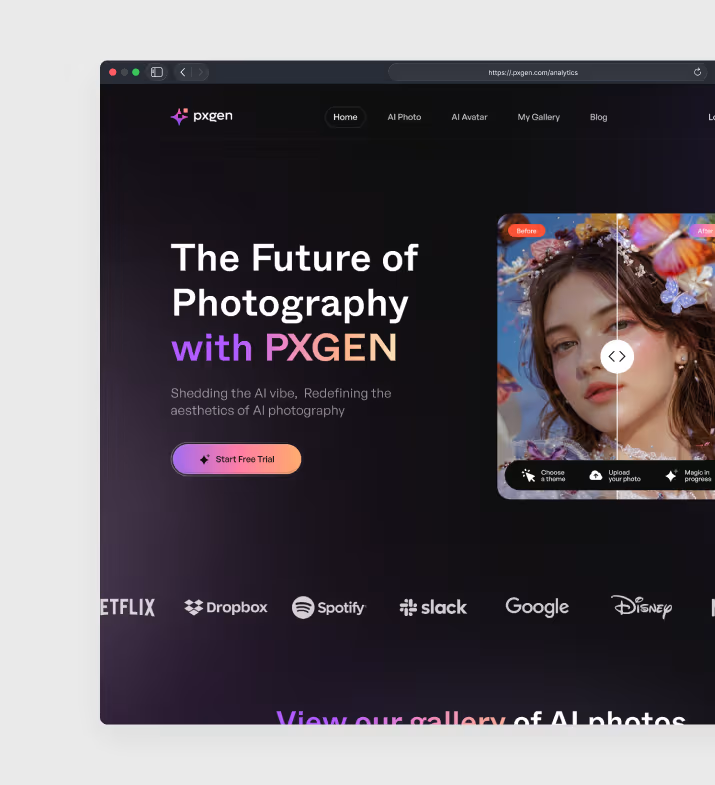
PXGEN simplifies AI image generation
The redesigned experience removes complexity from discovery through image generation.
Project 05
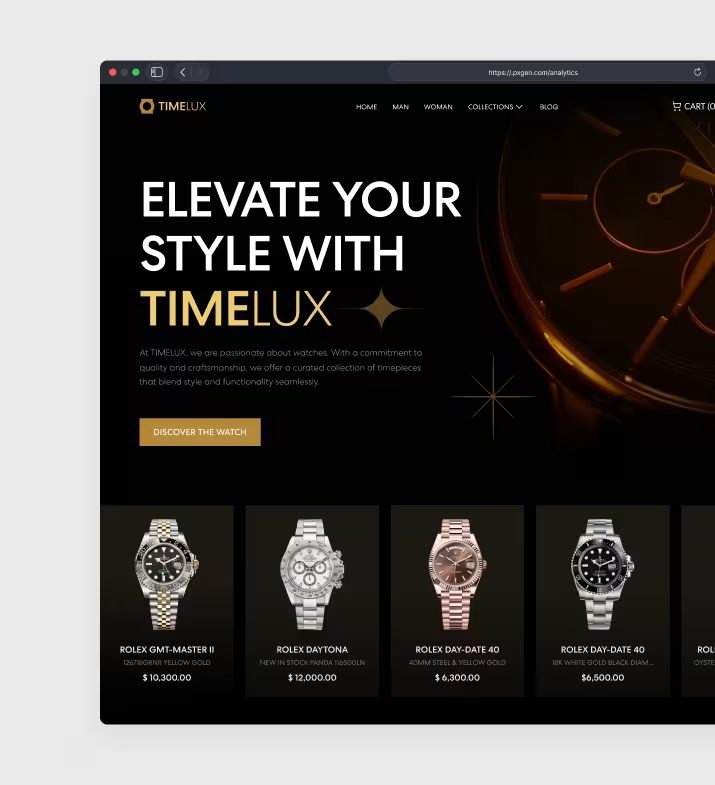
TIMELUX increases mobile purchases by 24%
A smoother product journey and checkout helped luxury shoppers browse and buy with more confidence.
.avif)
.avif)
MVP Software Development Services from Idea to Launch
We handle startup MVP development end to end, from scoping the first version to scaling it after launch. Every build starts with what your users actually need.
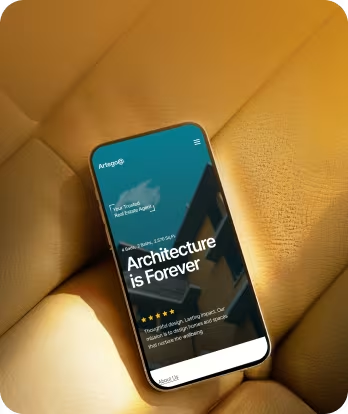
Frontend Development
Responsive, interactive frontends built around your users, workflows, and technical needs.
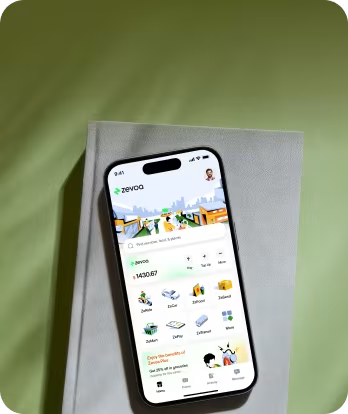
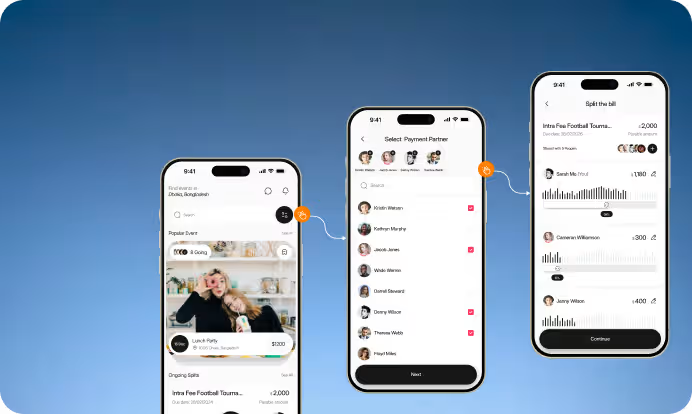
Web Application Development
Production-ready web applications built for SaaS, B2B platforms, internal tools, and other complex digital products.
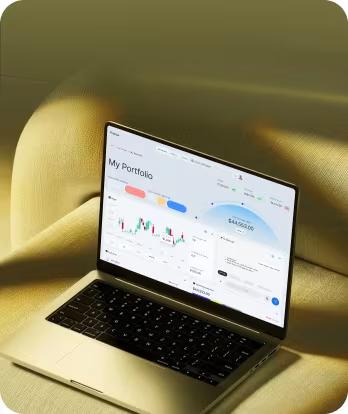
Backend Development
Scalable backends with business logic, APIs, authentication, databases, and integrations.
Mobile App Development
Mobile apps with responsive interfaces, app API integrations, essential features.

SaaS Product Development
Build and evolve SaaS products with the architecture, workflows, integrations, and functionality needed to support users as your product grows.
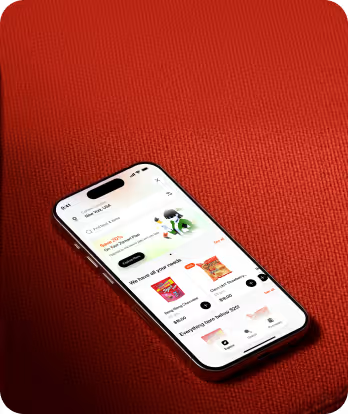
MVP Development
Turn validated ideas into working MVPs with essential architecture, features, integrations.
We Build Around the Product Not the Other Way Around
We understand your product, users, and goals to choose the right technologies and expertise.

Product First Thinking
Start with the product, users, workflows, and business goals before deciding how to build it.

Architecture That Fits
Choose an architecture based on the product's actual requirements, rather than forcing it into a predefined technical setup.

The Right Stack for the Job
Use the technologies that make sense for the product, whether that's Next.js, Node.js, PostgreSQL, Supabase, AWS, or something

Full-Stack Ownership
Keep frontend, backend, APIs, data, and infrastructure connected under team instead of treating each layer as a separate project.

Built for What Comes Next
Make technical decisions that support the product's current stage while leaving room for new features, users, integrations, Growth

Engineering Beyond the First Release
Stay involved beyond the initial build to improve, evolve, and scale the product as requirements change.
Development Process
Built Around Your Product
We start with what your product needs, then work through the architecture, development, testing, and deployment to bring it all together.
.svg)
.svg)
01 — Product Discovery & Requirements
We define your product’s users, features, workflows, and technical priorities before development begins.
02 — Full Stack Architecture
We design your app’s architecture, frontend, backend, databases, APIs authentication, integrations, infrastructure.
03 — Frontend & Backend Development
Our engineers connect your interface with backend logic, databases, APIs, and supporting systems.
04 — API, Data & System Integration
We connect APIs, databases, payments, authentication, AI, and third-party services into one working product.
05 — Testing & Performance Engineering
We test workflows, edge cases, and devices for performance, security, reliability, and seamless integration
Flexible Pricing Built Around What You Need
Development cost comes down to the scope, technical complexity, and team your project requires. We define those pieces first, then shape the right engagement around the work.
Startup
$2,999/month

.svg)
Growth
$5,499/month
Trusted by Product Teams Worldwide
Our work spans mobile products, SaaS platforms, and digital experiences for startups and growing businesses. The numbers below show the experience and scale behind our work.
3+
Years of hands-on experience as a web design agency across industries.
140+
Product projects delivered for startups, growing businesses, established companies.
80+
Startups and product teams we've worked with to design and build digital products.
4.9+ ★ Average Rating From 100+ Client Reviews

Working With Orbix Studio Felt Seamless From Start To Finish. Their Creativity, Product Thinking, And Attention To Detail Really Stood Out.

Ethan Carter
Co-Founder & CEO, Nexora

The Orbix Studio team transformed our complex ideas into a product that feels simple, polished, and incredibly intuitive.

Daniel Brooks
Head of Product, Lumio
.svg)
We were impressed by how quickly they understood our vision and turned it into a thoughtful, user-friendly digital experience.

Marcus Reed
Founder & CEO, Verta Labs
Full Stack DevelopmentFor Products Across Industries
We help SaaS and AI startups, founders, and product teams build focused MVPs that real users can test and validate.
.avif)
SaaS
Multi-tenant SaaS platforms, admin dashboards, CRM systems, analytics tools, workflow software.
Healthcare
Patient portals, healthcare dashboards, telehealth platforms, appointment systems, medical management software.
Fintech
Payment platforms, financial dashboards, lending applications, banking software, transaction systems.
E-commerce
Online stores, marketplace platforms, inventory systems, order management, seller dashboards.
Real Estate
Property marketplaces, listing platforms, property management systems, agent dashboards, rental platforms
Technologies Behind OurFull Stack Development
Every product needs a different stack. We choose the tools that fit your requirements and bring them together into one reliable system.
Frontend
Backend
Mobile
Database
React
Node.js
React Native
PostgreSQL
Next.js
NestJS
Expo
Supabase
TypeScrip
Python
Flutter
Firebase
Tailwind CSS
FastAPI
Swift
MongoDB
Explore More Services We Offer
Explore our development services for web, mobile, and beyond to build and grow your digital products.
.svg)
MVP Development
Design better digital experiences across websites, products, and applications.
.svg)
SaaS Design
Create clear, scalable experiences for SaaS products and the teams that use them.
Mobile App Development
Take your product to iOS and Android, from one codebase wherever it makes sense.

%201%201.svg)
Got Questions?
We’ve Got Answers
If you’re unsure where to start or want to see how we can help, reach out, and we’ll walk you through it.

Let’s Talk
Book an Intro Call
Founder & CEO @OrbixStudio
.svg)
Can you build an MVP first and scale it later?
Can you build both the frontend and backend?
What technologies do you use for development?
Can you develop AI-powered applications?
Can you work with our existing developers?
How do you handle testing and quality assurance?
Do you provide support after launch?
Will we own the source code?
How long does a full-stack development project take?
How much does full-stack development cost?
Let’s Talk
Book an Intro Call
Founder & CEO @OrbixStudio

.svg)


.svg)

.svg)

.svg)
.svg)




.svg)







.avif)
