Maven
.svg)
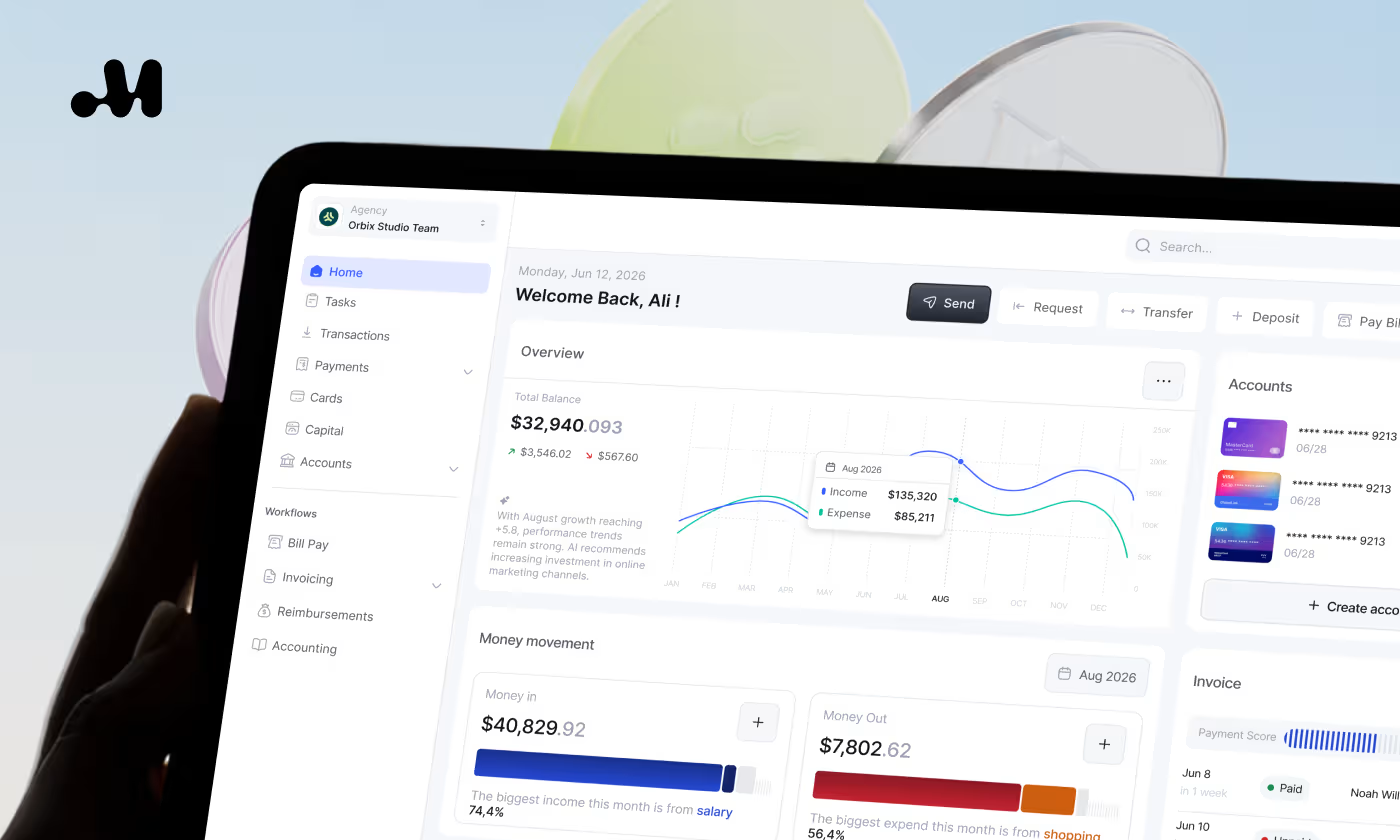
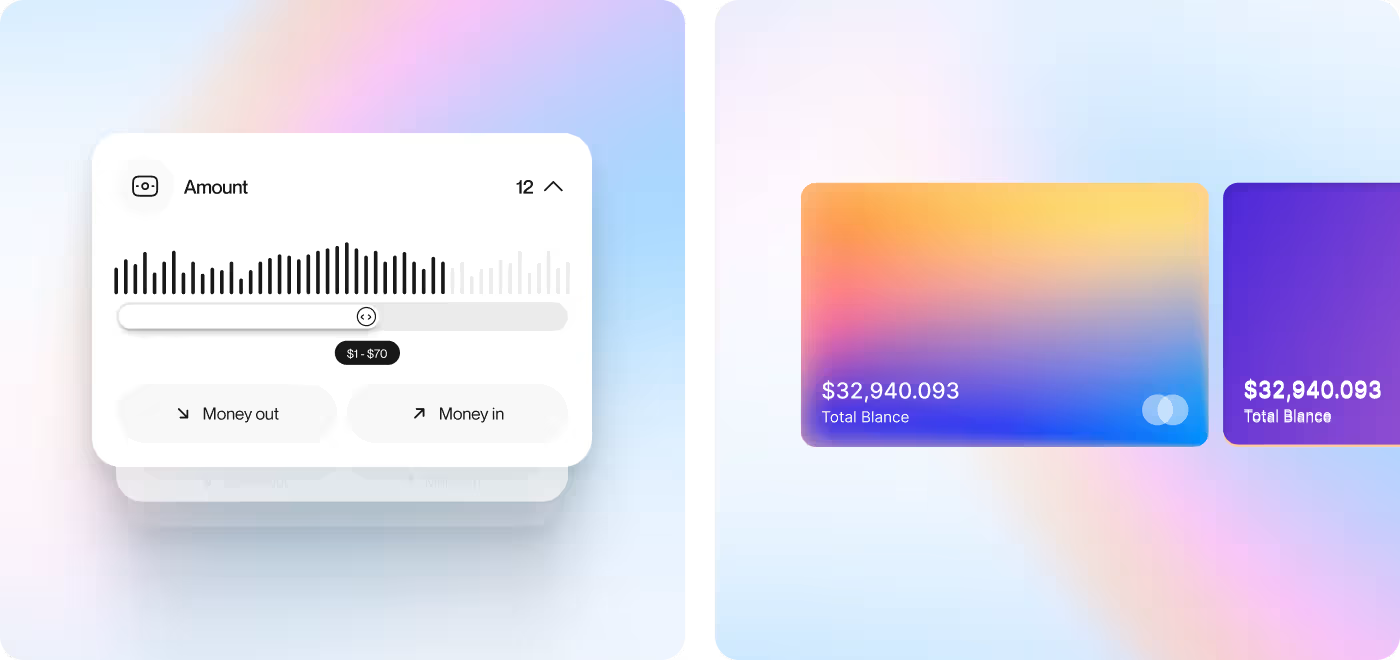
Maven is a modern financial management platform built to simplify the way businesses manage money. From tracking accounts and transactions to managing payments and invoices, every feature is designed to make everyday financial work faster and easier.

Our goal was to simplify the way businesses manage their finances. Many existing financial platforms overwhelm users with complex workflows, scattered information, and unnecessary steps. We designed Maven to bring accounts, payments, transactions, and reporting into one clear, intuitive experience that helps teams work faster and make better financial decisions.

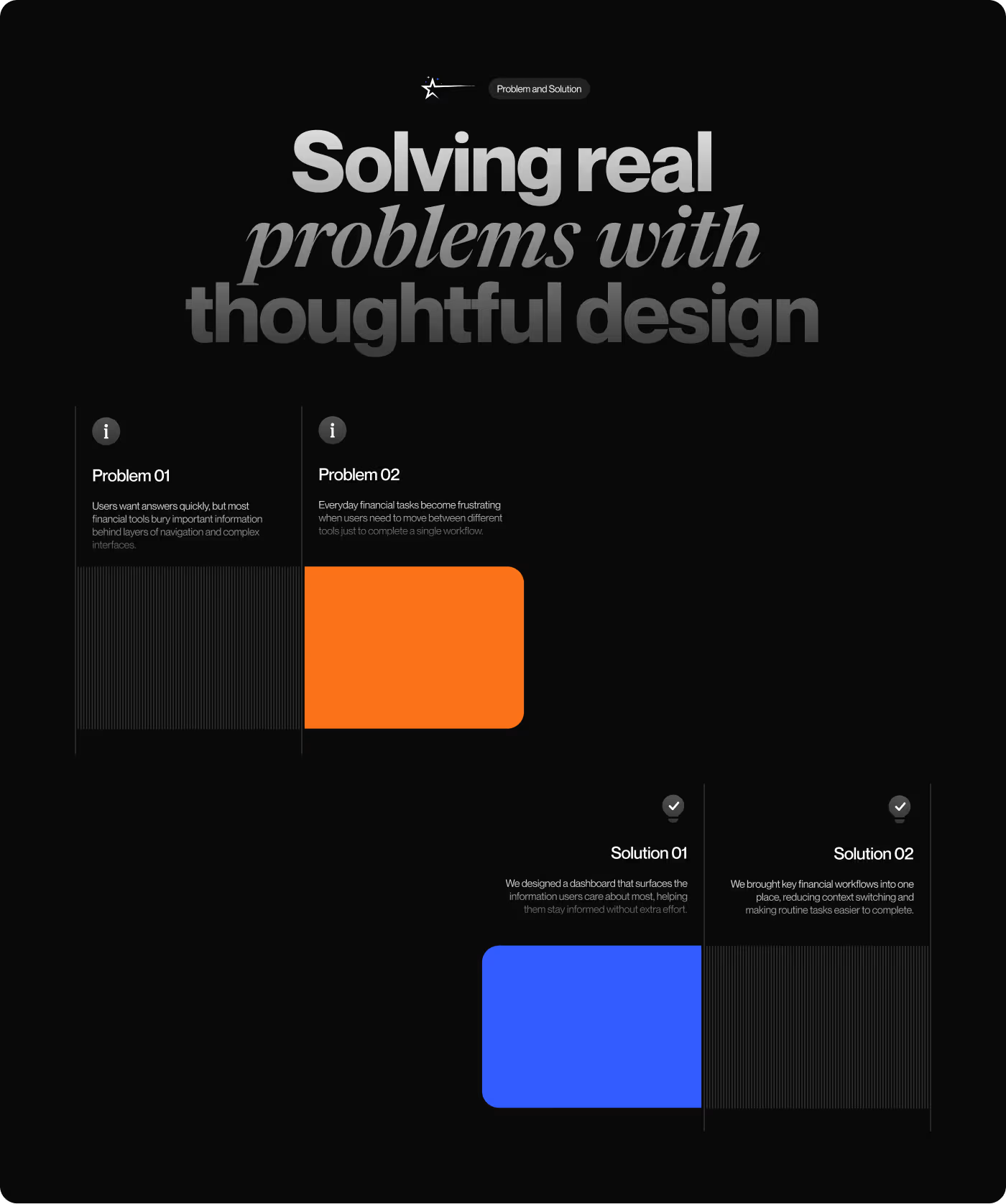
Financial information was scattered across multiple workflows.
Businesses often rely on different tools to manage accounts, payments, invoices, and transactions. Moving between disconnected systems made it difficult to maintain a clear overview of financial activity and slowed down everyday operations.
User Research & Product Strategy
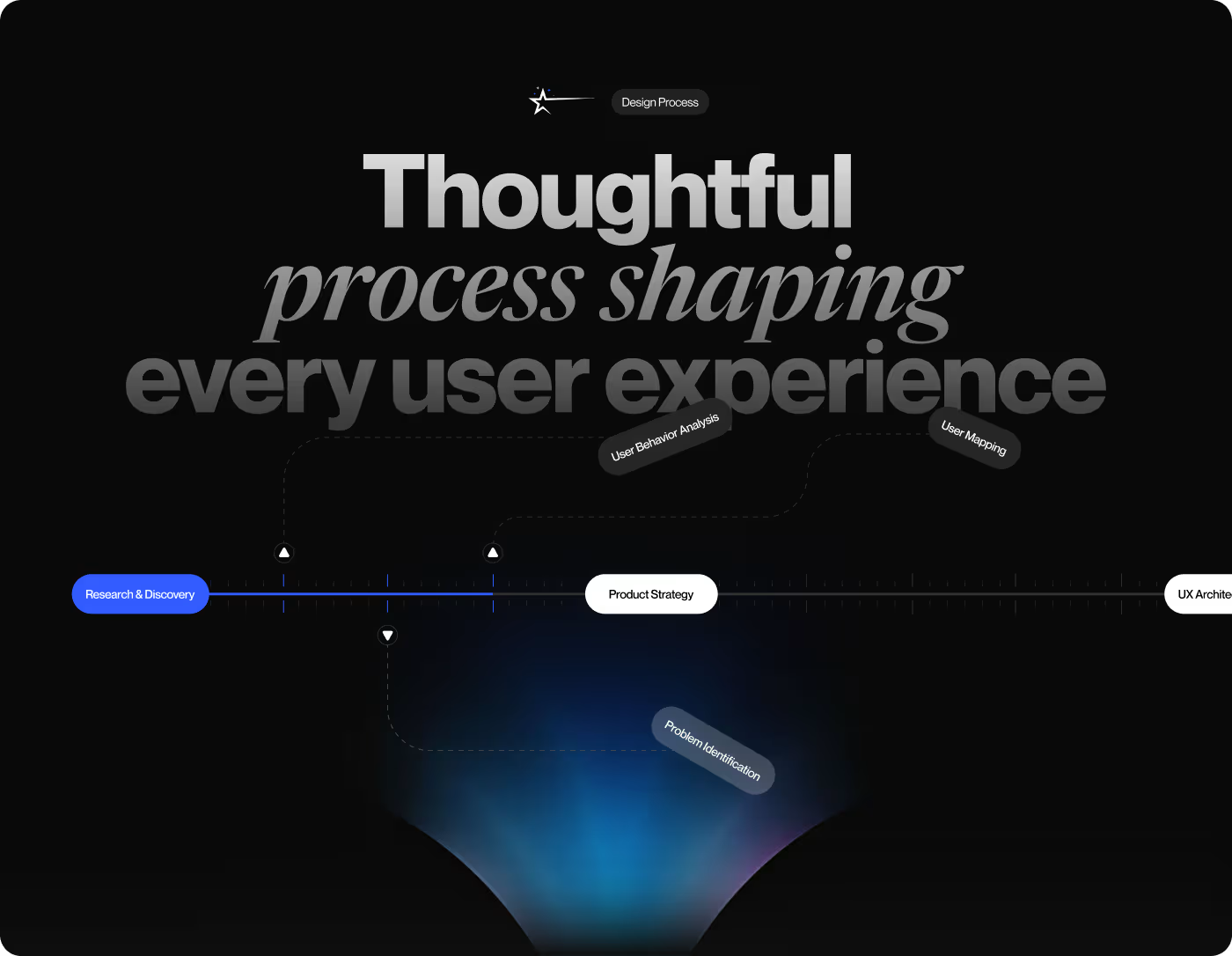
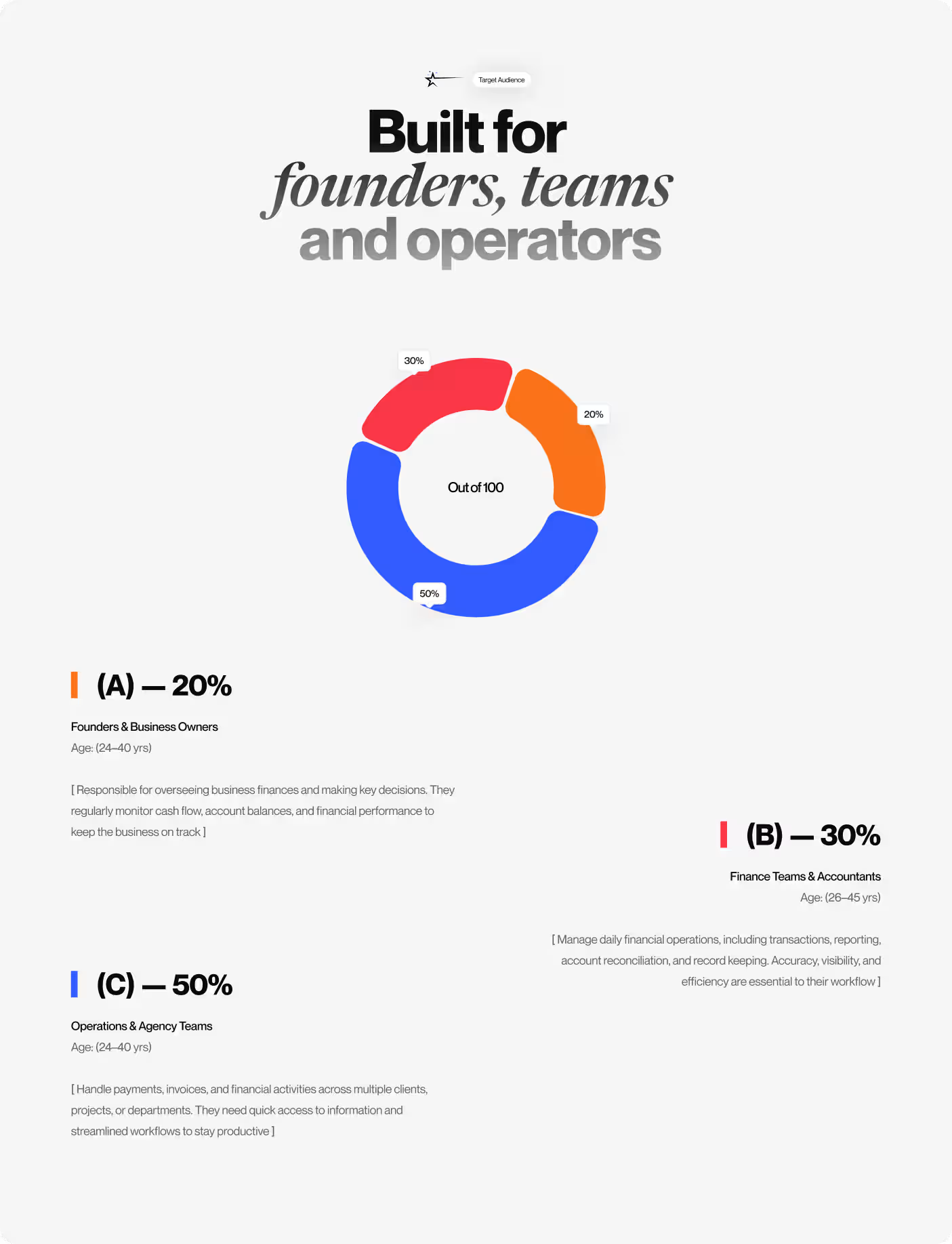
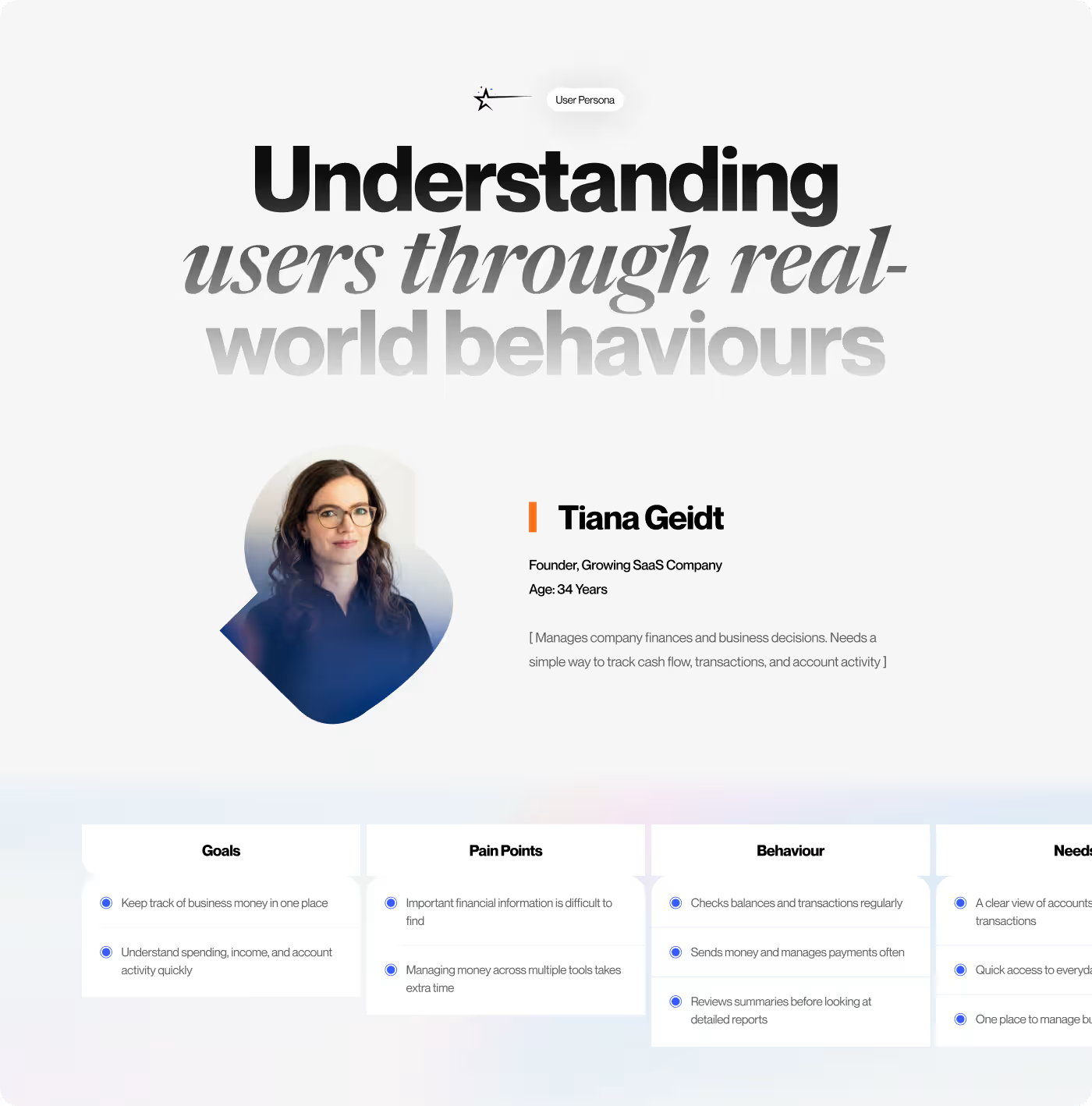
We started by understanding user behavior, business goals, and financial workflows to identify the biggest opportunities for improvement. These insights shaped the product direction before any interface was designed.
Services
- User Research
- Competitor Analysis
- User Personas
- Product Strategy
- UX Research
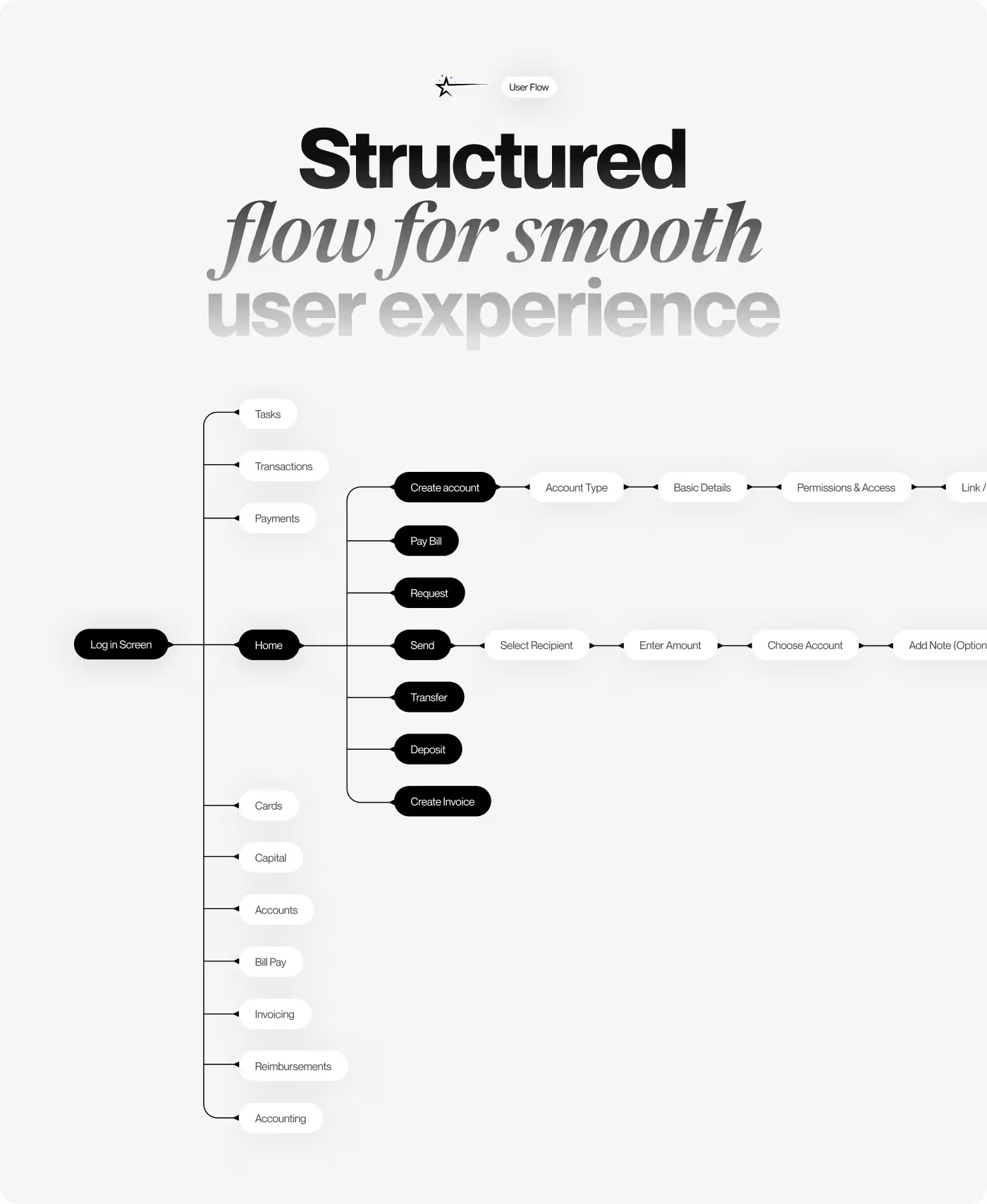
Information Architecture & User Flows
We reorganized the platform around the tasks users perform most often, creating clear navigation and reducing unnecessary steps across key financial workflows.
Services
- Information Architecture
- User Flow Design
- Navigation Design
- Workflow Mapping
- Feature Prioritization
Our Product Design Process
• Stakeholder Discovery
• User Research
• Competitor Analysis
• Pain Point Identification
• Information Architecture
• User Flow Design
• Product Strategy
• UX Planning
• UX/UI Design
• Dashboard Design
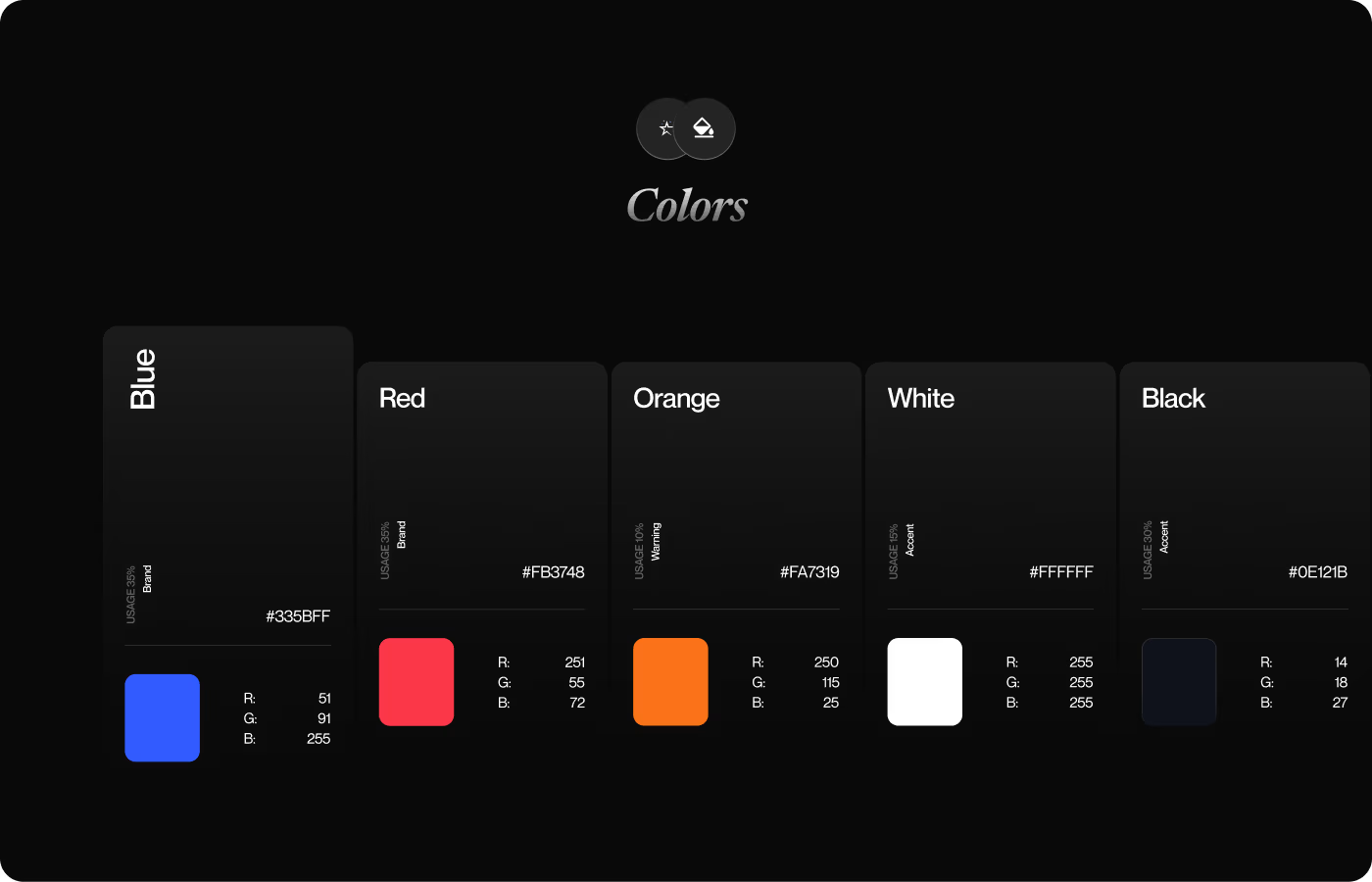
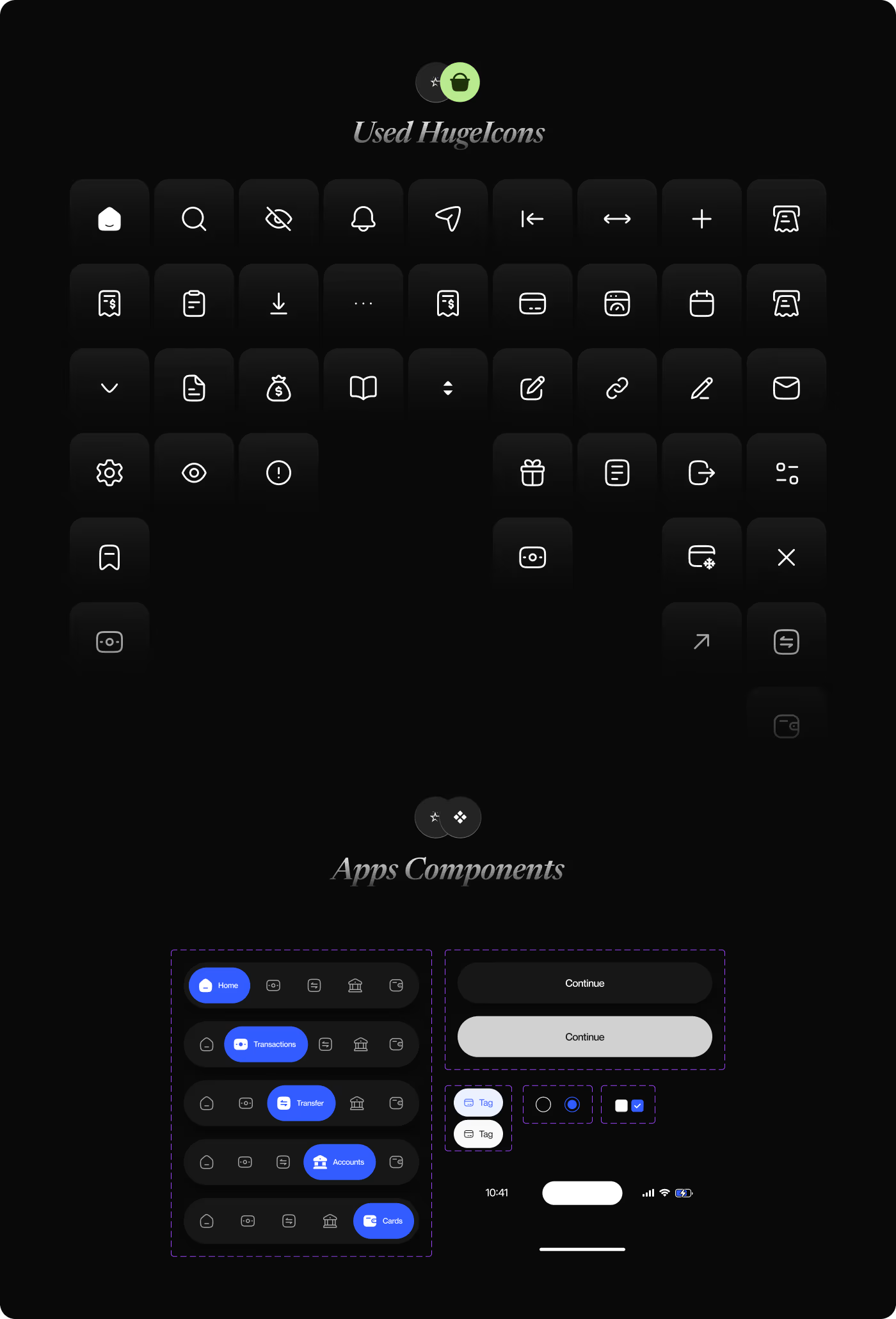
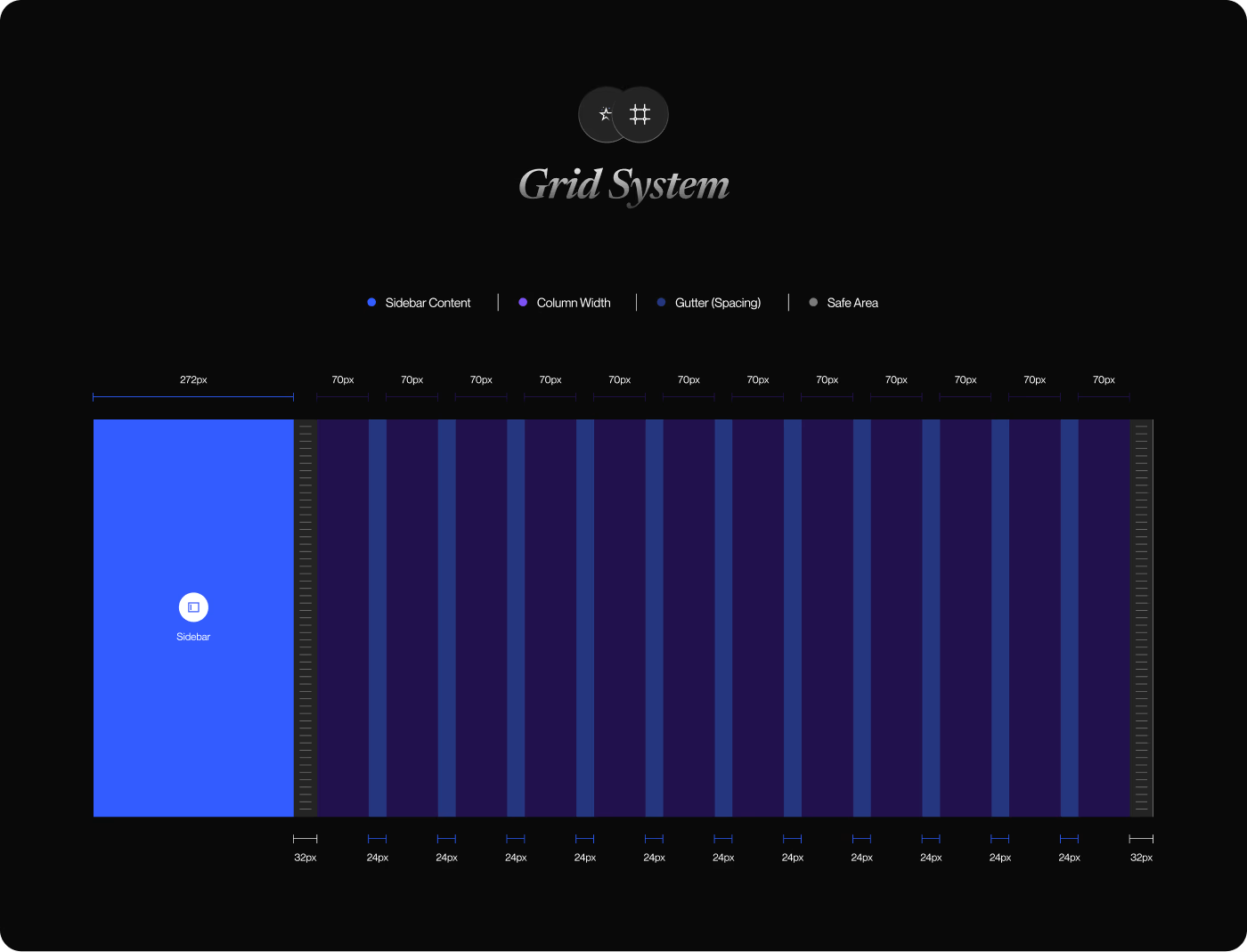
• Design System
• Visual Language
• Interactive Prototypes
• Workflow Validation
• Design Iterations
• Developer Handoff
Everyday financial tasks required too much effort.
Sending payments, transferring funds, creating invoices, and managing accounts involved multiple steps spread across different sections of the product. These repetitive workflows reduced efficiency and increased the likelihood of user errors.
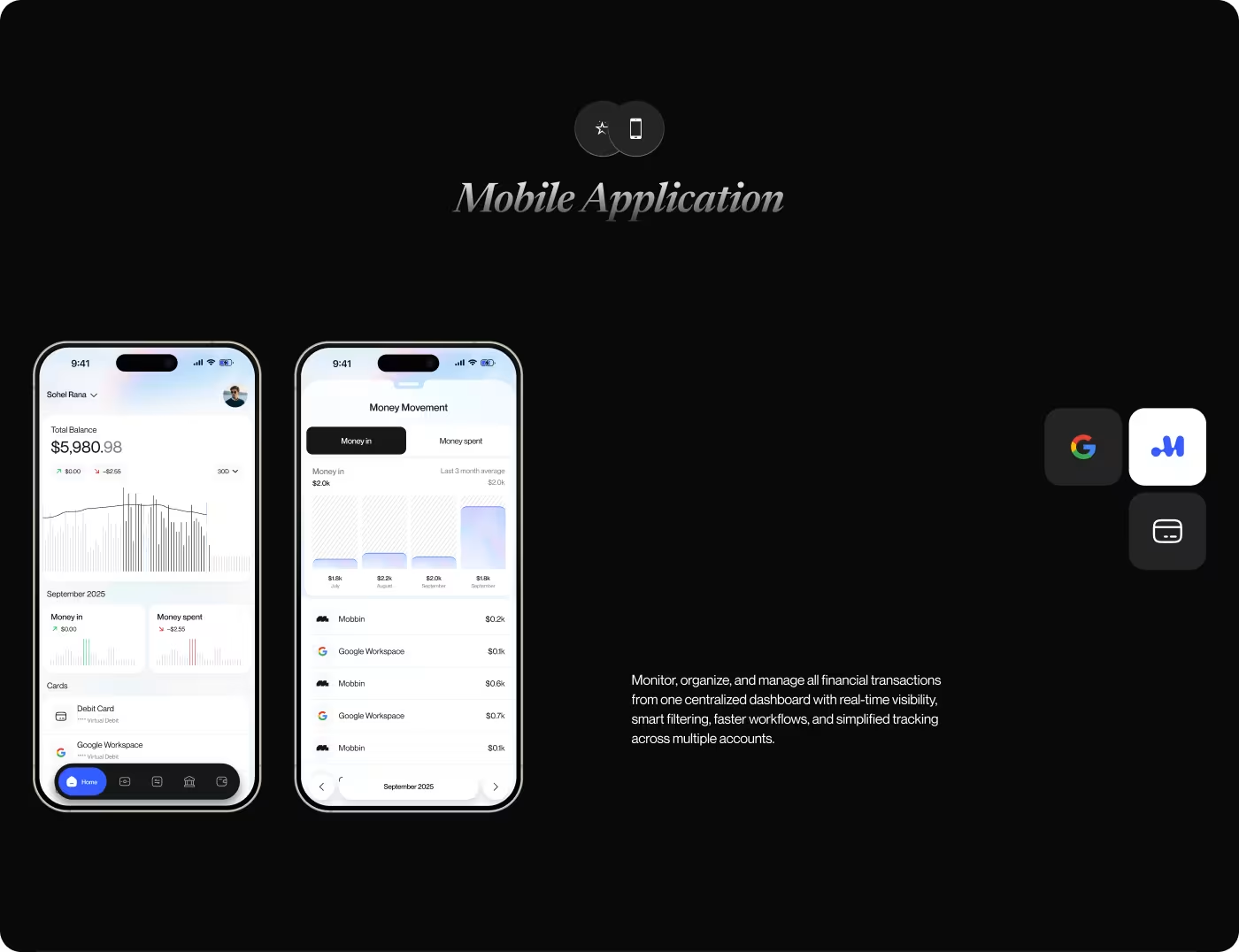
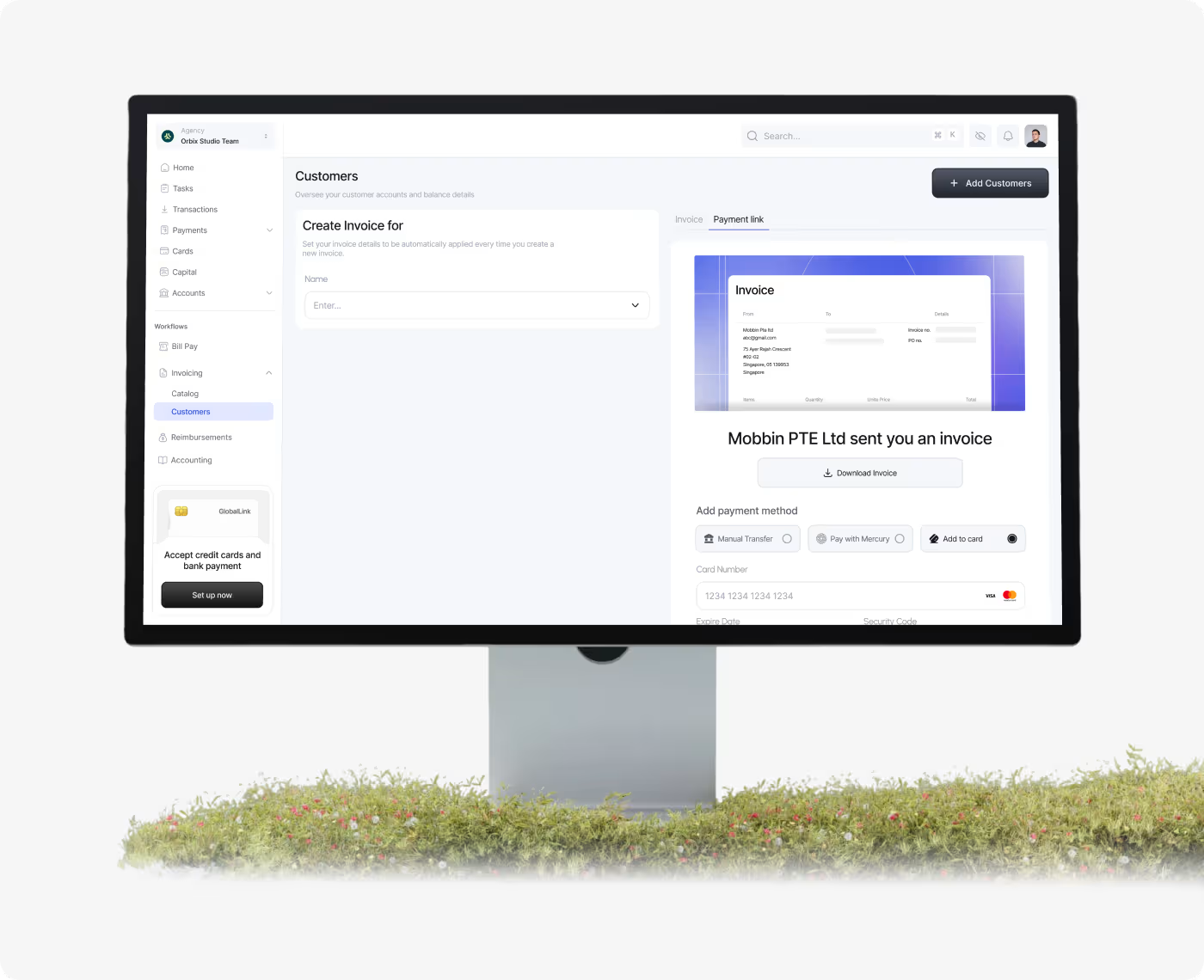
Understanding User Workflows
That research became the foundation for every UI/UX design decision that followed Rather than designing around features, we focused on understanding how people manage their daily financial tasks. By analyzing common workflows and studying existing fintech products, we identified opportunities to simplify navigation, improve usability, and reduce unnecessary complexity.
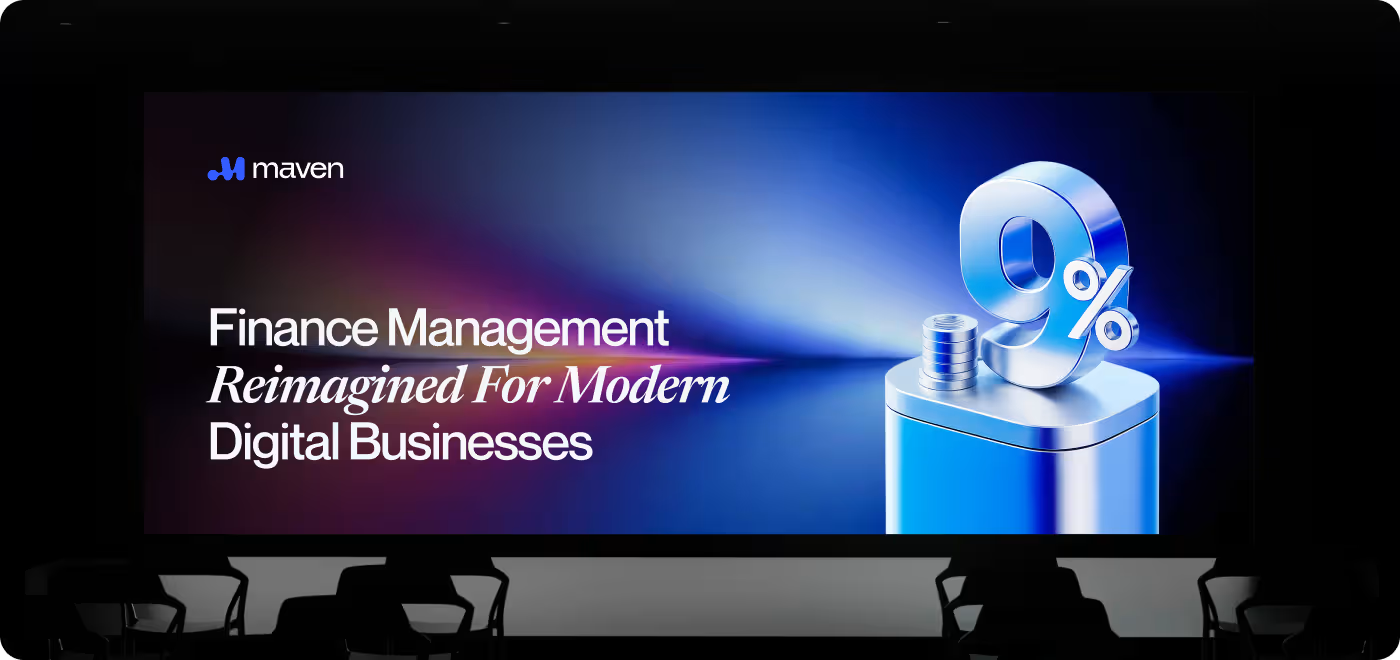


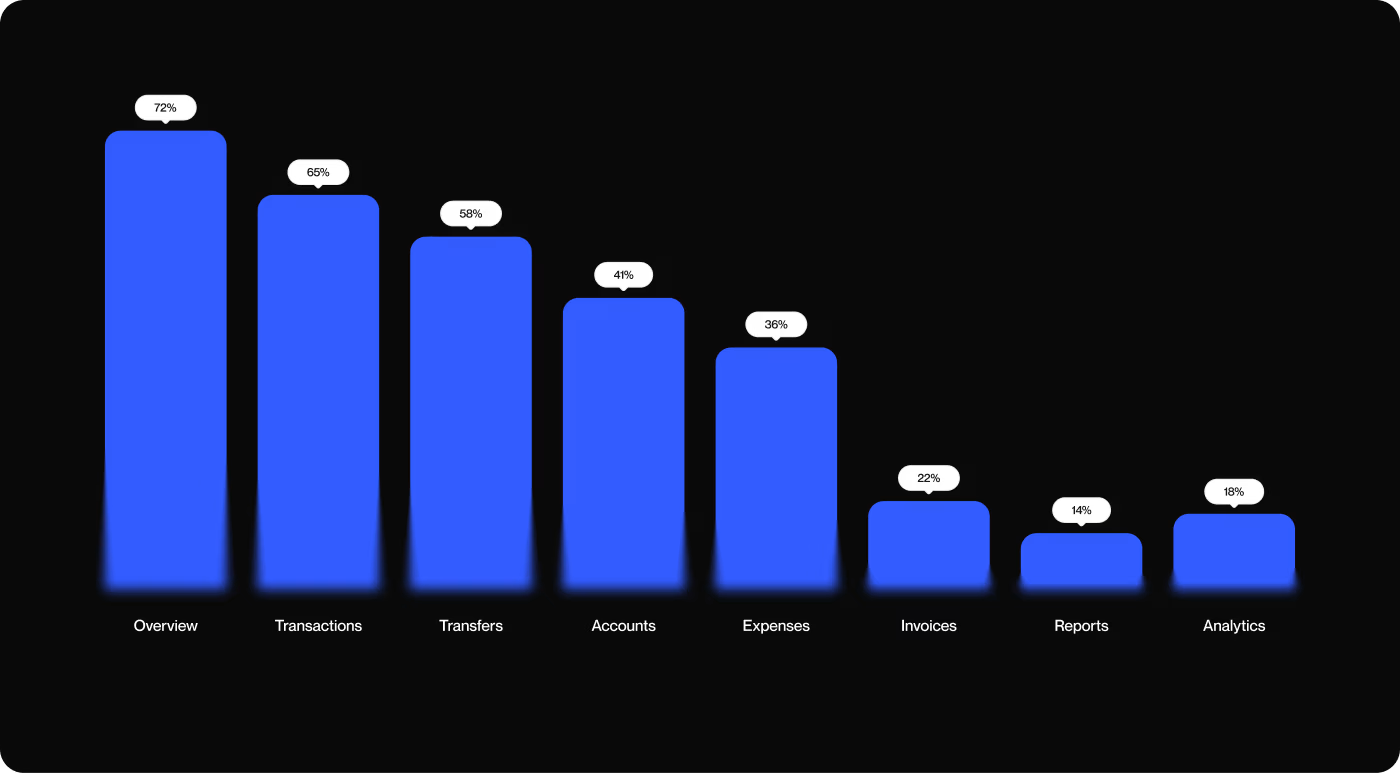
Defining What Matters Most
Not every feature deserves equal attention. By identifying the actions users perform most often, we established a clear hierarchy that guided navigation, dashboard structure, and feature placement throughout the product.
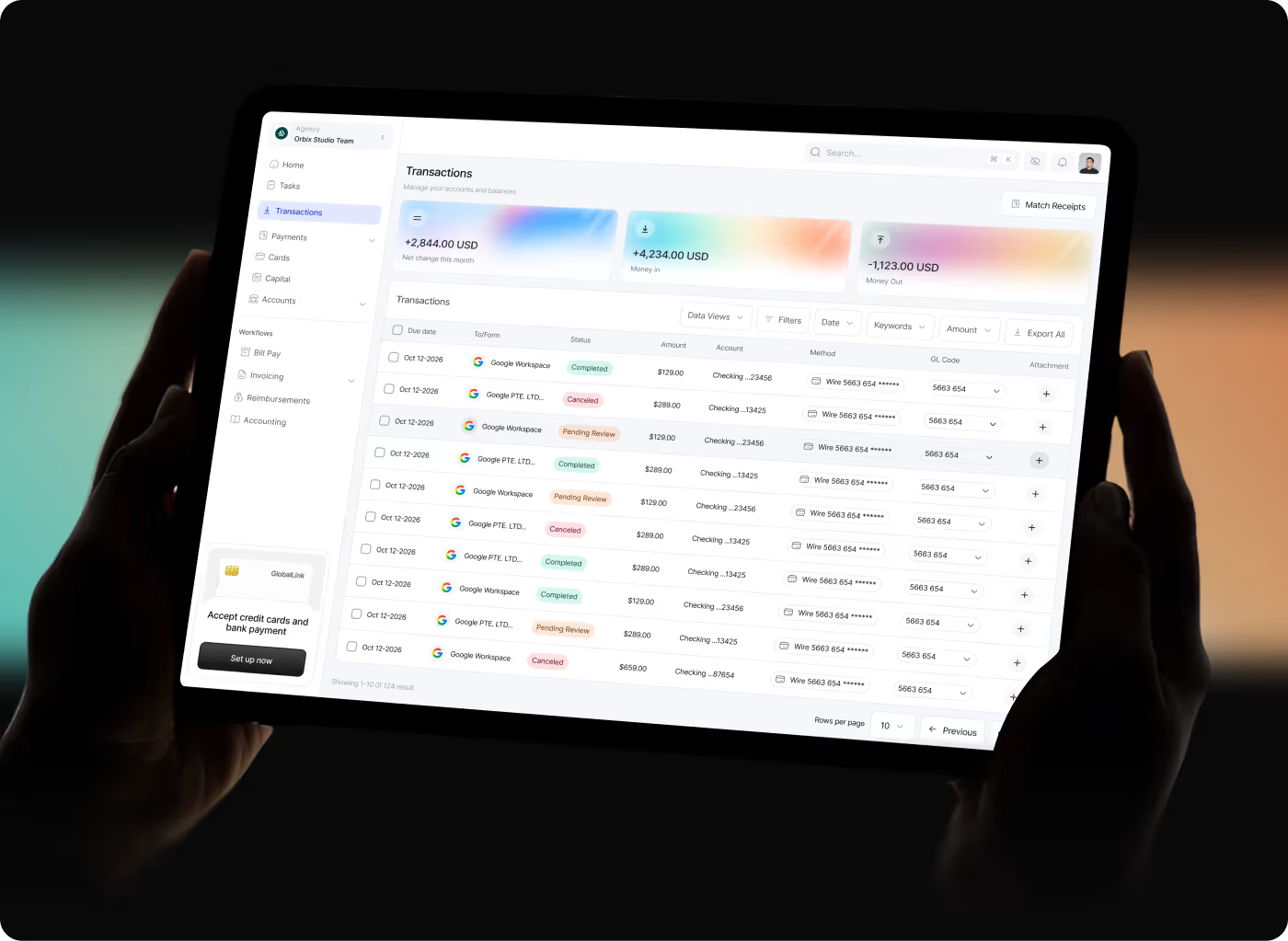
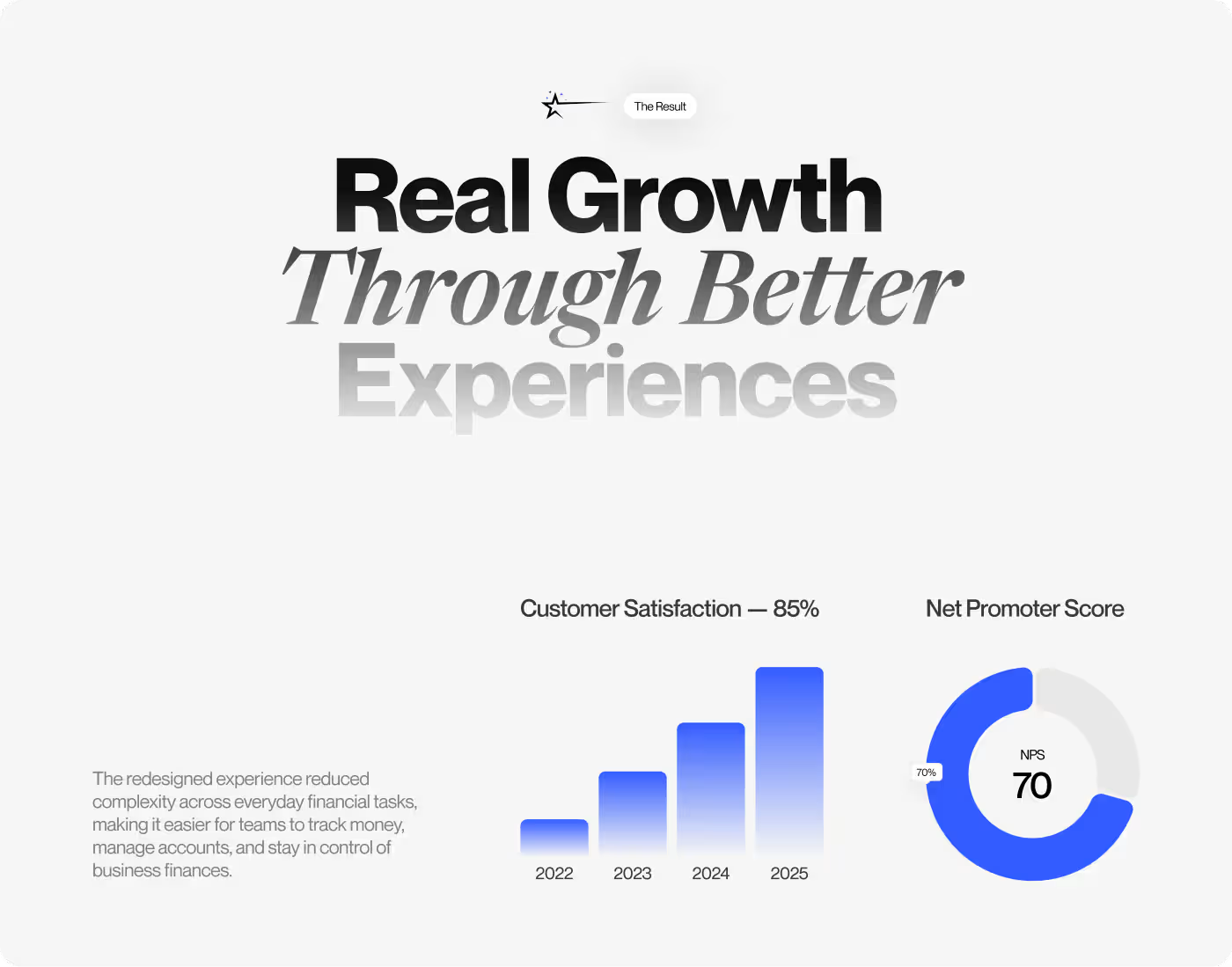
Simpler Experience for Modern Financial Management
Maven was designed to simplify complex financial workflows through clear navigation, intuitive dashboards, and a scalable design system. The result is a product that helps businesses manage their finances more efficiently while creating a foundation for future growth.
- Improved financial visibility: A centralized dashboard brings accounts, balances, transactions, and insights into one place, helping users understand their financial status at a glance.
- Simplified everyday workflows: Core tasks like managing payments, tracking transactions, and reviewing financial data were streamlined to reduce unnecessary steps and improve efficiency.
- Consistent user experience: A unified design system ensures consistency across every screen, making the platform easier to navigate and faster to learn.
- Scalable product foundation: Reusable components and structured design patterns make it easier to introduce new features while maintaining a consistent user experience.
- Greater confidence in decision-making: Clear information hierarchy and improved data visualization help users quickly identify important financial insights and make informed business decisions.
Ready To Build
Your Next Project?
.avif)


%201%201.svg)

Valorant ChampionsCup

.svg)
Couriq Parcel

.svg)

.svg)


.svg)

.svg)

.svg)
.svg)


.svg)







.avif)



.svg)

