- What Is a User Persona?
- Why Are User Personas Important for SaaS Products?
- Free User Persona Template for B2B SaaS
- B2B SaaS User Persona Example
- How to Create a User Persona: 6 Steps
- What Are the Key Elements of a User Persona?
- User Persona vs. Buyer Persona vs. ICP
- Best User Persona Tools for SaaS Teams
- How Many User Personas Does a B2B SaaS Product Need?
- Frequently Asked Questions
- Final Thoughts


User Persona: Definition, Examples and a Free B2B SaaS Template
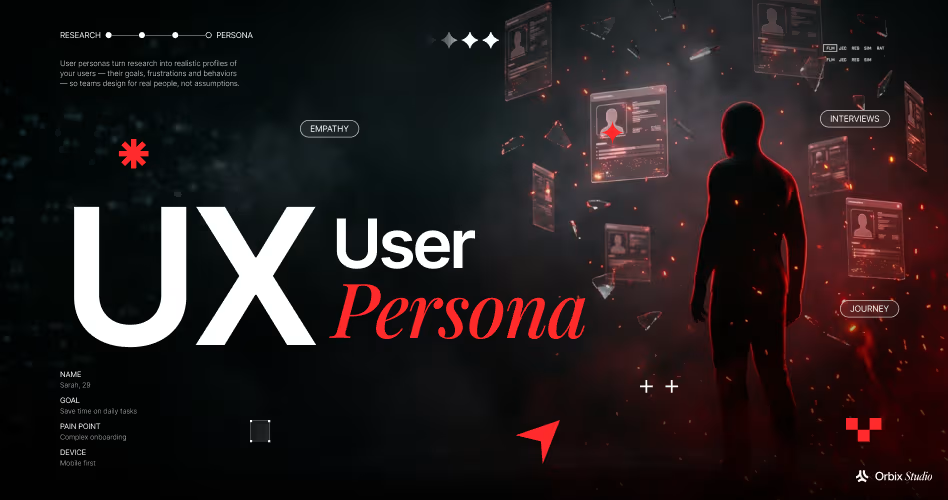
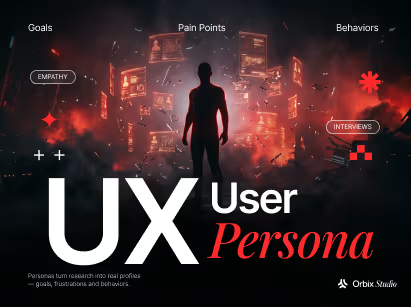
- User persona is a research-based profile of the aims and behaviors, wants and frustrations of a typical user.
- Personas help B2B SaaS teams build products, prioritize features, onboard and create customer experiences.
- Good personas are built on user interviews, surveys and product data, not on guesses.
- A good user persona template should include: User goals Problem areas Habits Demands and expectations of product.
- You are able to develop a user persona using whichever tool you like – Figma, Google Slides, Notion or Google Sheet.
A user persona is a fictitious profile based on research that depicts a business’s typical customers. It allows organizations to understand their target audience by outlining their users’ goals, difficulties, behaviors, and preferences.
In B2B SaaS, user personas assist firms understand the demands of different decision makers and end users, so they can better customize their products, messaging and customer experiences.
In this post, we’ll discuss what a user persona is, its basic components, real-life examples, and how you can actually construct one with a free B2B SaaS user persona template.
What Is a User Persona?
A user persona is a research-based profile that represents a typical user of a product or service. It describes who the user is, what they want to achieve, how they behave, and what challenges they face. UX designers use user personas to better understand their target audience and make design decisions that meet users’ needs.
User personas allow you to understand the people that use your software every day, particularly for B2B SaaS organizations. Even if they work for the same firm, these users may have distinct tasks, technical skills, difficulties and expectations.
A solid persona takes user data and turns it into actionable direction for product and design decisions. Instead of developing features based on assumptions your team can concentrate on the demands of defined user groups
Why Are User Personas Important for SaaS Products?
User personas are important for SaaS products because they help teams make design and development decisions based on users’ actual needs rather than internal assumptions.
They create a shared understanding of the target audience, including their goals, behaviors, and challenges, helping teams build features and experiences that solve real user problems.
According to the Nielsen Norman Group’s research on personas, personas help make user groups more memorable and help teams stay focused on users throughout product development.
This offers a few practical benefits for SaaS owners and product teams:
- Improved Product Prioritization: Helps teams focus developer resources on solving real user problems and delivering the features that matter most.
- Enhanced User Onboarding: Enables teams to create product tours, guides, and instructions tailored to each user's knowledge level and experience.
- Better UX Design: Supports the design of dashboards, navigation systems, and workflows based on actual user behaviors and needs.
- Clearer Product Messaging: Helps teams understand what users need to know about a product and its features, making communication more relevant and effective.
- Stronger Team Alignment: Provides designers, developers, and product managers with a shared reference point, ensuring everyone works toward the same product goals.
Suppose you have an analytics platform that serves marketing managers and data analysts. Marketing managers demand beautiful reports, analysts want advanced filtering and exporting of the data.
Free User Persona Template for B2B SaaS
Use the following user persona template to document the characteristics that influence how people use your software. You can copy to Google Docs, Google Slides, Notion, Figma and customize for your product.
Template for User Persona
Keep the template focused on information that can affect product decisions. Don’t use demographic info just to make the persona “real.”
Start with the Digital NSW approach to building personas, which shows how research can inspire persona goals, impediments and other important details.
B2B SaaS User Persona Example
A user persona that ties user goals and frustrations to product decisions is more useful.
Say you have a project management SaaS solution. You are focusing on development organizations. The following examples show how to identify and define the key user personas for this type of product.
Example: Operations Manager
- Name: Sarah Mitchell
- Job Title: Operations Manager
- Company: B2B SaaS company with 120 employees
- Technical Experience: Intermediate
- Primary Goal: Keep projects on schedule and help different teams coordinate their work.
Pain Points:
- Updates to projects were distributed between spreadsheets and chat apps.
- Team members are frequently late.
- Managers are spending time on status reports.
- “You don’t know when jobs are delayed until they are delivered.
Behaviors:
- Review of project dashboards on a daily basis
- Reviews work schedule and daily operations of employment.
- Produces weekly reports for senior management.
- Links can connect several office things together.
Needs:
- A single project dashboard
- Automated reminders for deadlines.
- Clear reporting of workload and progress.
- Integrates into your existing communications stack.
What success looks like:
- Less missed deadlines.
- Less time consuming when writing reports.
- Identify project barriers earlier.
Product Opportunity: Develop a configurable dashboard with workload visibility and reporting capabilities along with automated alerts.
Here’s a made-up example of how a SaaS team might structure their research. This does not purport to depict actual customer behavior.
You should validate the basic issues through interviews, usability testing and product data before you start building the suggested enhancements.
How to Create a User Persona: 6 Steps
User persona generation is the process of collecting user data, finding patterns, and turning those observations into actionable product insights. You don’t need a big research budget to begin, but you do need data from real people.
The following six steps show the process.
1. Define Your Research Objectives
The first thing you need to do is figure out what product decisions your personas should inform. Starting a new SaaS dashboard? Want to increase feature adoption? Rethinking Onboarding?
Your purpose will determine what consumers you investigate and what questions you ask.
To optimize your onboarding, focus on users’ first experiences, setup issues, expectations and reasons for abandoning.
2. Conduct User Persona Research
Collect data from your product users or those that suit your target user profile.
The useful approaches of research include :
- User interviews: Find out what people desire, what annoys them and how they reach conclusions.
- Surveys : Learn about tendencies in a larger group.
- Product Analytics: Understand feature usage, navigation and drop out points.
- Support tickets: Identify unmet demands, common complaints
- Usability testing: Watch people complete the activity and see where they get stuck.
Analytics should not provide the whole story of user behavior. Analytics can tell you that users are dropping out of a workflow, but interviews and usability testing can tell you why.
3. Ask the Right User Persona Interview Questions
Good user persona interview questions probe real-world experiences rather than imagined preferences.
Instead of asking "Would you use an automated reporting feature?", inquire how the user already generates reports, and what is problematic about it.
Think about these questions:
- Duties What do you do mainly at work?
- How do you use our product?
- What problems do you want to solve?
- What tools did you use before using this one?
- What is not working for you in your present workflow?
- What is something that takes longer than it should?
- How can you know if a tool is worth the money?
- What features do you utilize the most and why?
- What would make this product more beneficial for you?
- How do you assess success while you are utilizing this product?
For B2B SaaS research, also ask about the user’s authority, cooperation requirements and interactions with other departments. The person approving the subscription could have different priorities than the daily user.
4. Identify Common User Patterns
After you have gathered data from your research, look for trends in goals, habits, and difficulties.
For example, some of the users may have difficulty with preparing reports but their fundamental needs are different. Some seek automatic summaries, others complex data exports. These patterns may reflect two different personalities.
Segment your clients around true differences in requirements and behaviors, not around surface similarities such as age or work title. If the two groups share the same aims and product needs, there is no reason to keep separate personas.
5. Build Your User Persona Profile
Don’t hesitate to use the user persona template above to turn your research into a brief profile. Include the user’s major goals, reoccurring pain points, relevant actions, and evidence supporting those findings. If it captures a key issue or motivation, include a short quotation from an interview.
Keep each persona relevant to information that can impact product decisions. An empathy map can also help you organize what users say, think, do and feel. This can let your team examine research findings before they are translated into a full character.
6. Validate and Update Your Personas
As your product and your audience evolve, so should your user persona. Get more interviews, client feedback, support tickets and product analysis to validate assumptions. Remove details that no longer pertain to your users. Change behavior or goal if dictated by new evidence.
Share personas with design, marketing, and customer success. Use them to prioritize feature requests, optimize onboarding and scheduling of product upgrades.
Orbix Studio Maven finance management case study is a real product in use. It’s a terrific angle to see how financial procedures and consumer needs could impact product experiences.
What Are the Key Elements of a User Persona?
The key elements of a user persona include demographic details, goals, needs, behaviors, motivations, pain points, and challenges. These details help your team understand the user’s background and the context in which they use your product.
A well-developed persona provides useful insights that guide design decisions and help create a better user experience. Key information regarding the user persona:
- Goals: What the user wants to do.
- Pain Points: The obstacles that prohibit the user from reaching those goals.
- Behaviors: What the user is doing with your product today.
- Needs: The user wants some capability, information, or help.
- Situation: The environment, duties and limits for use of the product.
- Motives: What the user is interested in some of the findings.
- Evidence: Facts based research to support the persona attributes.
If the product is B2B, please define the user’s job responsibilities, technical skills, cooperation needs and role in buying decisions (if any).
A useful persona is not a detailed biography. It is a concise, evidence-based tool that helps your team answer product questions.
User Persona vs. Buyer Persona vs. ICP
These three concepts are related, although they have different applications. This distinction helps B2B SaaS companies avoid designing for the wrong audience.
The table below highlights the key differences between them:
In a small firm, the purchaser and the user may be the same person. In big companies this is frequently done by several people.
For example, an IT director might approve a subscription, but staff in numerous departments use the software daily.
ICP helps you find the perfect companies. Buyer personas help you understand why consumers purchase. User personas guide the experience you build for the people interacting with your product.
Next, let’s compare user personas with other UX research methods to understand their key differences and when to use each one.
User Persona vs. Target Audience
A target audience is a big group of people you want to reach. A user persona is a more specific research-based portrayal of a user within that group.
For example, “marketing professionals at growing businesses” characterizes a target demographic. Another more practical character is a marketing manager who wants to aggregate campaign data across numerous channels.
User Persona vs. Empathy Map
A user persona is a description of a user, their needs and their behavior. An empathy map organizes observations of what users say, think, do and feel.
Utilize personas to keep a common comprehension of your users. Use empathy maps to think about their experiences, and to make sense of the research findings.
User Persona vs. Customer Journey Map
A persona is a representation of a user group. A customer journey map is a graphical representation of the phases, interactions and difficulties people face while completing a goal.
For instance, a persona might be an operations manager. Their journey map could show how they discover, evaluate, adopt, and use project management software.
The two tools work well together because the persona establishes whose journey you are mapping.
User Persona vs. User Story in Agile
A user persona describes a representative user. A user story defines a specific requirement from that user's perspective.
An Agile user story usually has the following form:
As an operations manager, I want automated deadline reminders so I can spot jobs that are running late before they effect project delivery.
The persona helps to clarify the user and their demands. The user narrative is a translation of those demands into a development requirement.
Best User Persona Tools for SaaS Teams
You can build a useful persona without any additional software. But a dedicated user persona maker can make cooperation, formatting and the documenting of research easier.
Here is a list of softwares you can use:
Prices, availability and free-plan limits are subject to change, so verify each provider's current offering before you pick a tool. If you require a free user persona template, begin with Google Slides or Figma. Google Sheets is especially handy while you are still working on arranging your interview findings and you haven’t locked in your character.
Can AI Create User Personas?
Yes, AI can help create user personas by summarizing user interview notes, identifying common patterns, generating persona profiles, and suggesting follow-up research questions.
However, AI-generated personas should be based on real user research rather than assumptions alone. Validate the findings with actual user data to ensure your personas accurately represent your target audience. AI produced personalities are only as good as the information they are built on.
Don’t use AI to generate goals, behaviors, or frustrations; use it to organize evidence from real users. If you employ synthetic user personas before you do research, identify them as assumptions and validate them before you make big product decisions.
How Many User Personas Does a B2B SaaS Product Need?
Most B2B SaaS products should start with a small number of distinct, research-backed user personas rather than creating a separate persona for every job title.
There is no fixed number that works for every product; the right number depends on how users differ in their goals, behaviors, needs, and challenges. Create separate personas only when these differences meaningfully affect product design and development decisions.
Concentrate on the most significant user groups. Only add a new persona when research shows that there are significant variances in goals, procedures or product demands. Too many identities makes it tougher to prioritize. The big discrepancies amongst users just can't be hidden enough.
Frequently Asked Questions
What Is a User Persona?
A user persona is a research-based profile of a typical consumer of a product. It details their aims, wants, behaviors, frustrations and context to guide product and UX decisions.
How Do You Create a User Persona?
Define your research goals Interview users Analyze surveys and product analytics Find common trends Document findings in a template Compare the persona to the actual user behavior
What Are the Key Elements of a User Persona?
Important factors are: user goals, pain spots, behaviors, motivations, needs, relevant history, product expectations, and supporting research evidence. Share only what will help your team make better judgments.
What Is the Difference Between a User Persona and a Buyer Persona?
A user persona is someone who uses a product. A buyer persona is someone who is involved in buying it. In B2B SaaS, the jobs may be a separate individual.
What Is the Difference Between a User Persona and an ICP?
An Ideal Customer Profile is basically a description of the kind of company that is the best fit for your product. A user persona is a user with their roles, goals, behaviors, and difficulties.
Can AI Create User Personas?
Yes, artificial intelligence is able to do research and develop complete persona profiles. Teams need to ground AI-driven concepts in genuine user research, not pie-in-the-sky promises.
How Many User Personas Does a B2B SaaS Product Need?
Develop a set of characters that represent your target market. Add only if research indicates major differences of user goals, behavior or product expectations.
Final Thoughts
If you're planning a new SaaS product or improving an existing one, a clear understanding of your users is a useful starting point for building a more effective experience.
At Orbix Studio, we help startups and SaaS companies turn user needs into practical digital product experiences. Explore our Wink shopping website case study for examples of digital product design work.