


.svg)


%201%201.svg)
How to Build a Startup Brand Identity That Feels Clear, Credible, and Consistent
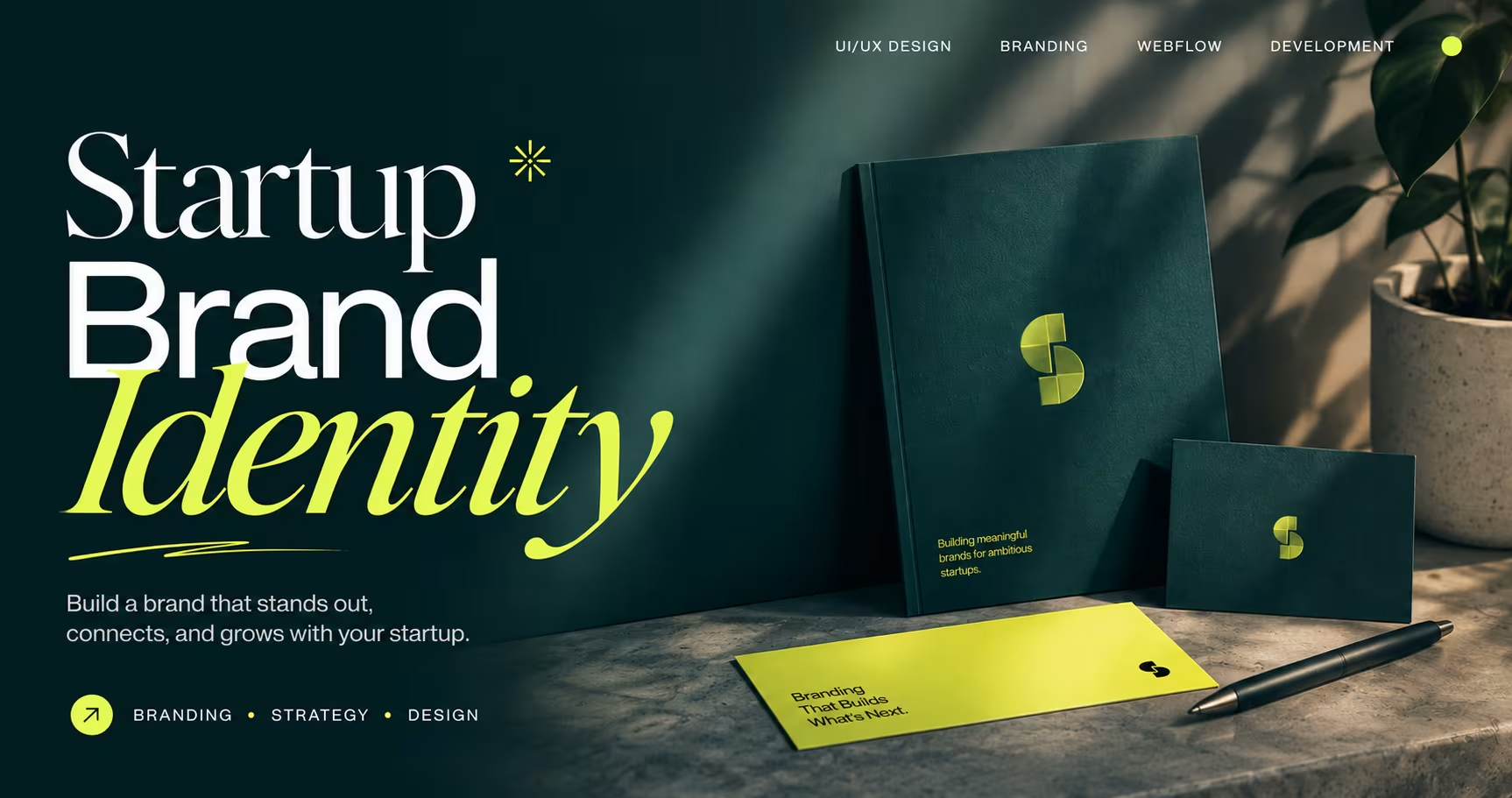
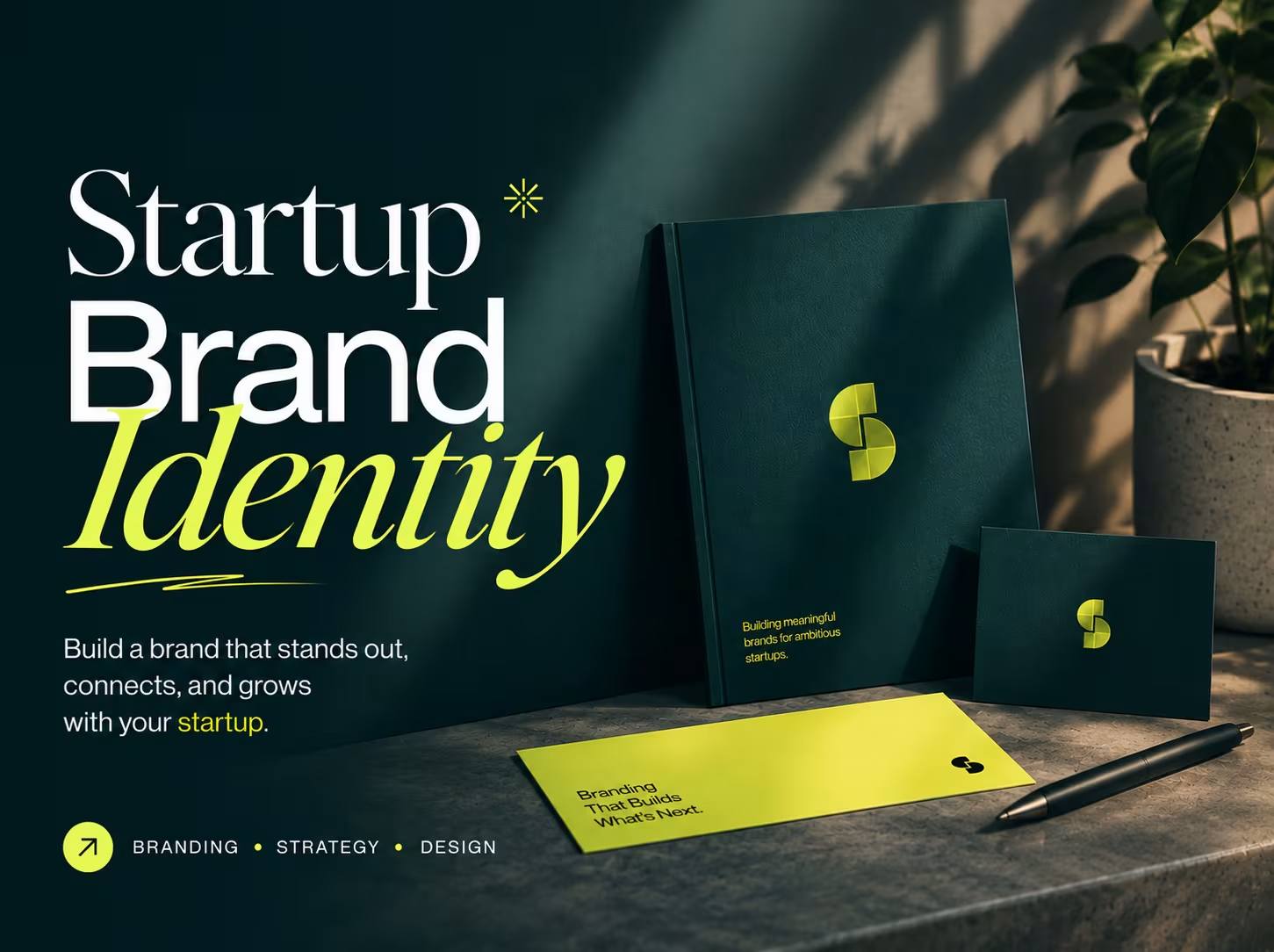
- Brand identity goes beyond a logo. It includes your strategy, messaging, visual identity, and customer experience.
- Strong branding builds trust, recognition, and differentiation from competitors.
- Start with strategy first: define your audience, positioning, and messaging before designing visuals.
- Follow the framework, examples, and checklist in this guide to build a brand that scales.
A startup brand identity is more than a logo or color palette. It's the system that shapes how customers recognize your business. For early-stage startups, a clear brand identity can be the difference between blending into the market or building lasting recognition.
Whether you're launching a SaaS product, raising funding, or preparing for your first customers, investing in your brand identity creates a stronger foundation for growth.
In this guide, you'll learn what a startup brand identity is, why it matters, how to build one step by step. You’ll also learn common branding mistakes to avoid and a practical checklist you can use to strengthen your own brand.
What Is a Startup Brand Identity?
A startup brand identity is the complete system that shapes how people recognize, understand, and remember your business. It goes far beyond a logo, color palette, or typography. It combines your brand strategy, positioning, messaging, visual identity, and customer experience into one consistent brand that people can recognize and trust.
Many founders confuse brand identity with branding or a logo, but they are not the same thing. Your logo is only one visual asset. Branding is the ongoing process of shaping how people perceive your business. Brand identity is the foundation that brings everything together.
For early-stage startups, this foundation matters even more. Before customers experience your product, they experience your brand. They visit your website, read your messaging, see your visuals, or browse your social media.
Take Airbnb as an example. Its identity isn't defined by its logo alone. From its friendly messaging and warm visual style to its website, app, and customer experience, every touchpoint reinforces the same promise of belonging anywhere. That's what makes the brand recognizable far beyond its visual identity.
A strong startup brand identity helps communicate:
- Who you are
- What you stand for
- Who you serve
- What makes you different
- Why customers should trust you
What Does a Startup Brand Identity Include?
A strong startup brand identity is made up of several interconnected components that work together to create a consistent and recognizable brand.
Each element plays a different role, but they all support the same goal: helping customers understand, remember, and trust your business.
- Brand Strategy: Everything starts with your brand strategy. It defines your mission, core values, target audience, positioning, and unique value proposition (UVP). These decisions become the foundation for every message, design choice, and customer interaction that follows.
- Brand Messaging: Your brand messaging determines how your startup communicates its value. This includes your brand voice, tone of voice, tagline, and key messaging. Consistent messaging helps customers quickly understand what your business does and why it matters.
- Visual Identity: Your visual identity brings your brand to life through design. It includes your logo, color palette, typography, imagery, iconography, illustration style, and other visual assets that create a consistent look across every platform.
- Brand Experience: Finally, brand experience connects everything together. Every interaction - whether on your website, product, social media, emails, or customer support - should reinforce the same identity. As your startup grows, documenting these elements in brand guidelines helps keep your brand consistent across every customer touchpoint.
How to Create a Startup Brand Identity
Creating a startup brand identity starts with strategy, not design. Before choosing a logo or color palette, you need to understand your audience, define your positioning, and clarify what your brand stands for.
The 6 steps below build on one another to help you create a startup brand identity that is clear, credible, and consistent across every customer touchpoint.
1. Define Your Target Audience
The first step in building a startup brand identity is understanding who you're building it for. Without that clarity, it's easy to create a brand that looks polished but fails to connect with the people you actually want to reach.
A strong brand is never built for everyone. It is built for a clearly defined target audience, supported by an Ideal Customer Profile (ICP) and buyer personas that reflect real customer needs, motivations, and challenges.
That's why audience research should come before logo ideas, color palettes, or tone of voice decisions. The better you understand your audience, the easier it becomes to define your positioning, messaging, personality, and visual identity.
Start by asking questions like:
- Who is our ideal customer?
- What problem are they trying to solve?
- What are their biggest pain points or frustrations?
- What influences their buying decisions?
- What kind of brand would they find credible and trustworthy?
For example, a startup building software for freelance creators may benefit from a brand that feels modern, creative, and approachable. In contrast, a fintech startup serving financial professionals will likely need a more structured, reliable, and trustworthy identity.
2. Clarify Your Brand Positioning
After you know who your audience is, the next step is defining where your startup fits in the market and why customers should choose you over competing alternatives. This is the foundation of your brand positioning.
Strong positioning goes beyond explaining what your product does. It communicates who it's for, what problem it solves, what makes it different, and why customers should trust it. When these answers are clear, your brand messaging, visual identity, and marketing become much easier to develop consistently.
A simple positioning framework is to answer these four questions:
- What problem are we solving?
- Who are we solving it for?
- What makes our solution different?
- Why should customers choose us over competitors?
For example, Stripe doesn't position itself as just another payment platform. It focuses on helping developers integrate online payments quickly and easily, giving the brand a clear and memorable place in the market.
3. Define Your Brand Personality
Once you've defined your audience and positioning, it's time to decide how your brand should feel. Your brand personality gives your startup a human character, influencing its brand voice, tone, and the way people emotionally connect with your business.
Your personality should reflect both your audience's expectations and your market. A fintech startup may need to feel secure, professional, and trustworthy, while a creator platform might benefit from a more playful, energetic, and approachable personality.
A good way to define your brand personality is to choose a few traits that describe how you want customers to perceive your business, such as:
- Bold or conservative
- Professional or friendly
- Premium or accessible
- Minimal or expressive
For example, Mailchimp uses a playful tone of voice, bold illustrations, and approachable messaging to make marketing feel less intimidating. Every customer interaction reinforces that same personality.
4. Build Your Core Messaging
When your audience, positioning, and personality are clear, the next step is defining how your startup communicates its value. That's the role of core messaging.
Many startups have a great product and a polished visual identity but still struggle to explain what they do. Visitors land on the website, skim the homepage, and leave because the message isn't clear enough. Strong messaging removes that confusion by helping customers quickly understand why your startup matters.
At a minimum, your core messaging should answer five questions:
- What does your startup do?
- Who is it for?
- What problem does it solve?
- What makes your solution different?
- Why should customers choose you?
These answers become the foundation for your homepage messaging, value proposition, elevator pitch, pitch deck, product pages, social media, and sales conversations. The goal isn't to sound clever - it's to be clear, consistent, and easy to understand.
5. Create Your Visual Identity
With your strategy, positioning, personality, and messaging in place, it's time to translate them into a visual identity. This is the part of your brand people recognize first, but it works best when every design decision is guided by strategy - not personal preference.
A startup's visual identity is more than a logo. It's a complete design system that includes your logo, color palette, typography, imagery, iconography, layout, and supporting graphic elements. Together, these assets create a consistent look and feel across every customer touchpoint.
Every visual choice should reinforce your brand's positioning and personality. A startup that wants to feel premium and sophisticated shouldn't rely on loud colors or playful typography. Likewise, a brand that wants to feel modern and approachable should avoid visuals that appear overly corporate or outdated.
When your visuals align with your messaging, your startup becomes easier to recognize, remember, and trust. Whether someone visits your website, scrolls through social media, opens your product, or views your pitch deck, the experience should feel consistently connected to your brand.
6. Apply It Consistently Across Every Touchpoint
A startup brand identity only works when customers experience it consistently. Every interaction should reinforce the same brand voice, messaging, and visual identity, whether someone visits your website, uses your product, reads an email, or scrolls through your social media.
Consistency doesn't mean making every asset look identical. It means creating a recognizable brand experience across every customer touchpoint. As your startup grows, brand guidelines help ensure your website, product interface, pitch deck, marketing materials, and customer communications all feel like they're coming from the same company.
Common Startup Branding Mistakes to Avoid
Building a startup brand identity is one thing. Building one that customers recognize, trust, and remember is another.
Many startups make branding decisions too early, focus too much on visuals, or overlook consistency altogether. Avoiding these common mistakes can help you build a stronger brand from the start.
- Starting with the logo instead of strategy. Your logo supports your brand, but it can't replace clear positioning, messaging, or a well-defined audience.
- Trying to appeal to everyone. Strong brands are built for a specific audience, not the entire market.
- Skipping audience research. Without understanding your customers' needs, pain points, and expectations, your branding becomes guesswork.
- Weak or unclear positioning. If customers can't quickly understand what makes your startup different, they'll struggle to remember it.
- Copying competitors too closely. Learn from competitors, but don't imitate their messaging, personality, or visual identity.
- Using inconsistent messaging. Your website, pitch deck, product, and marketing should communicate the same value proposition.
- Creating a visual identity without a strategy. Colors, typography, and logos should reflect your positioning - not personal preferences or design trends.
- Ignoring brand personality. A brand without a distinct voice often feels generic and forgettable.
- Being inconsistent across customer touchpoints. Your website, social media, emails, product, and marketing materials should all reinforce the same brand identity.
Startup Brand Identity Checklist
Before launching your startup, use this checklist to make sure your brand identity is built on a solid foundation.
- Define your target audience, including their needs, goals, and pain points.
- Write a clear brand positioning statement that explains who you help, what you offer, and why you're different.
- Choose 3–5 brand personality traits that describe how your brand should feel.
- Create a simple value proposition and core messaging for your website and marketing.
- Establish a consistent brand voice and tone for all communications.
- Design a cohesive visual identity, including your logo, color palette, typography, and imagery.
- Apply your branding consistently across your website, product, social media, emails, and pitch deck.
- Document everything in a simple brand guideline to keep your team aligned as the business grows.
- Review your brand regularly and refine it based on customer feedback and business growth.
Frequently Asked Questions
What is a startup brand identity?
Startup brand identity is the way a startup presents itself so people can recognize it, understand what it does, and remember it. It includes the brand’s messaging, personality, visual style, and overall impression across different touchpoints.
Is brand identity the same as branding?
Not exactly. Brand identity is the system a startup creates, such as its visuals, voice, and messaging. Branding is the broader process of shaping how people perceive the business over time.
Does a startup need brand identity before launch?
In most cases, yes. A startup does not need a large or highly polished brand system before launch, but it should have a clear enough identity to explain what it does, who it is for, and how it wants to appear in the market.
What comes first, brand strategy or logo design?
Brand strategy should come first. A logo can only work well when the startup already knows its audience, positioning, personality, and message.
How much should a startup spend on branding?
That depends on the stage of the business, the market, and how much support the startup needs. Early-stage startups usually do not need to overspend, but they should invest enough to build a clear, usable, and consistent foundation.
Can a startup create its brand identity on a small budget?
Yes, especially in the early stage. A startup can build a simple but effective identity by focusing first on audience clarity, positioning, messaging, and a basic visual system that can be refined over time.
Final Thoughts
A strong startup brand identity isn't built by starting with a logo. It's built by understanding your audience, defining your positioning, creating clear messaging, and expressing it through a consistent visual identity and customer experience. When these elements work together, your startup becomes easier to recognize, trust, and remember.
You don't need to perfect everything from the start. Build a clear foundation, stay consistent across every touchpoint, and refine your brand as your business grows. Over time, that's what turns a startup into a brand people remember.






















.avif)
