


Trusted by 105+ Founders & Growth-Stage Companies





.webp)

.webp)



.webp)








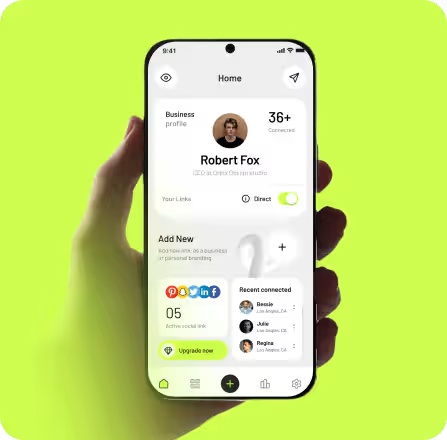
NexCard was created to simplify how users manage digital payments through virtual cards.
View Project
NexCard
Mobile Apps

What if planning a trip felt like talking to a local guide? This AI Travel Booking App case study shows how we simplified itinerary creation and reduced booking friction.
View Project
AI Travel Booking
Mobile Apps
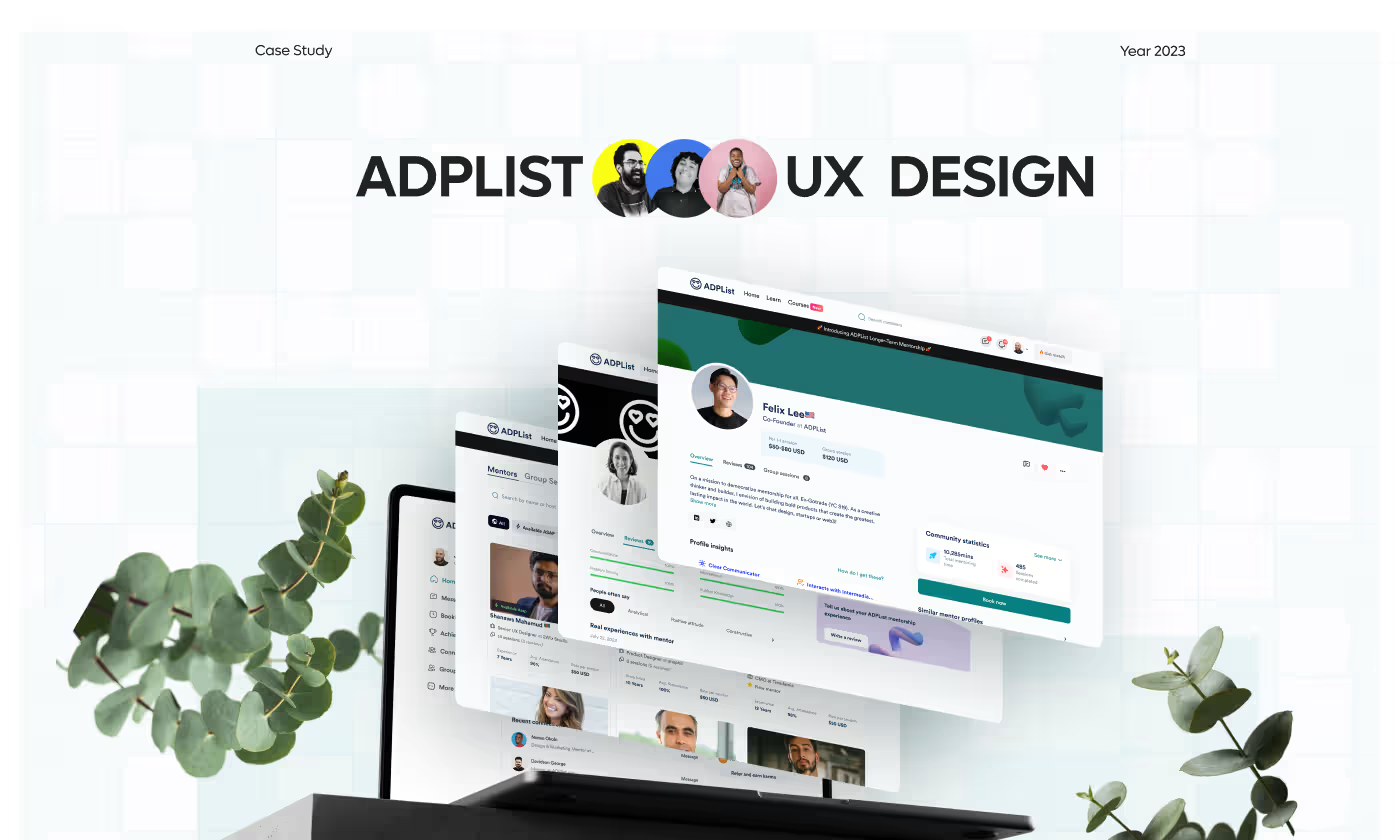
We redesigned ADPList into a mobile-first mentorship platform with smarter mentor matching and paid mentorship flows.
View Project
ADPLIST
Web Design

Upmatch is a web-based job recruiting platform designed to bridge the gap between organizations and top-tier talent.
View Project
Upmatch Website
Web Design
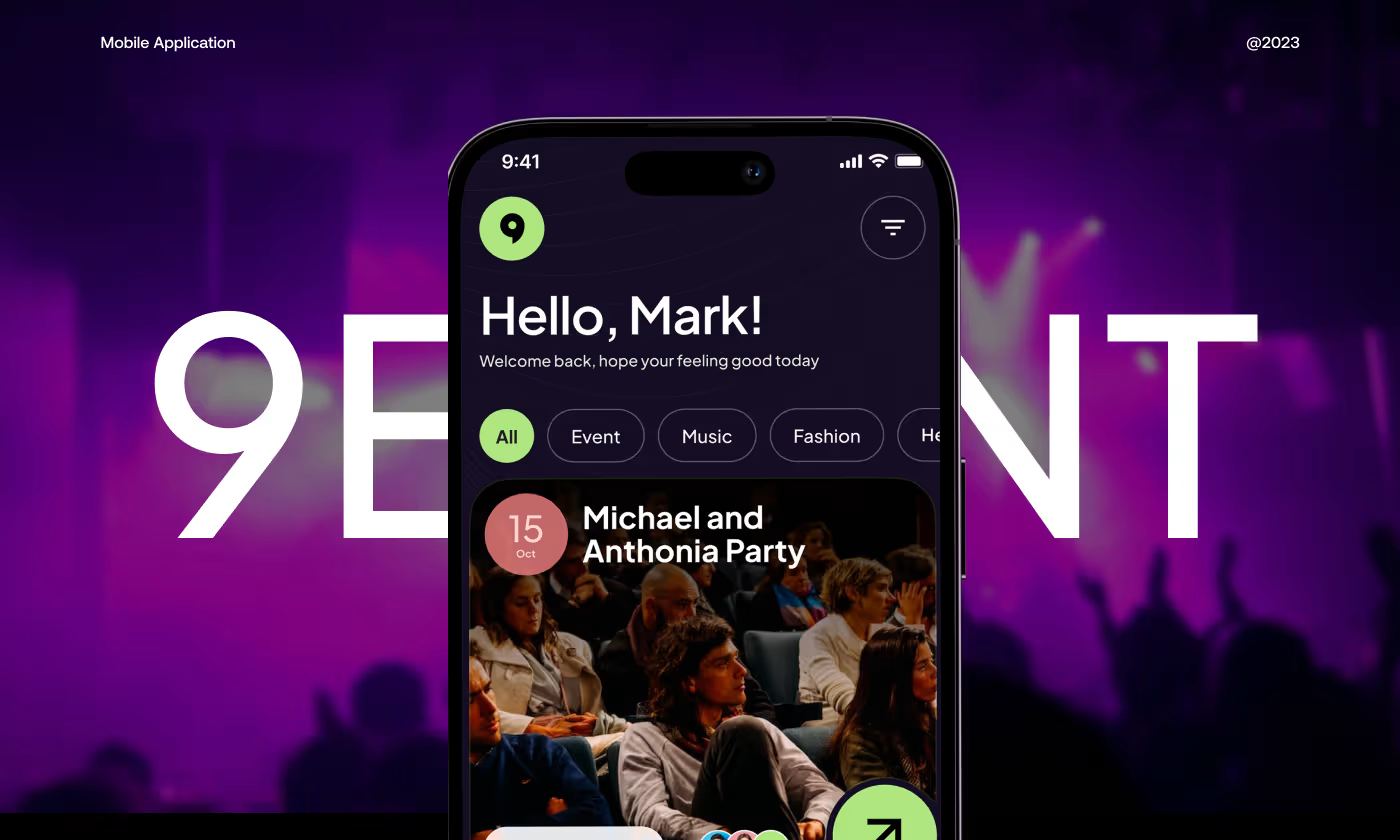
The Event Booking App is a mobile platform designed to help people discover local events and buy tickets.
View Project
9Events
Mobile Apps
The project focused on making drink purchases fast and cashless, adding a social layer where users can send tokens to friends, and giving parents control over their children's spending.
View Project
Wellnest
Mobile Apps
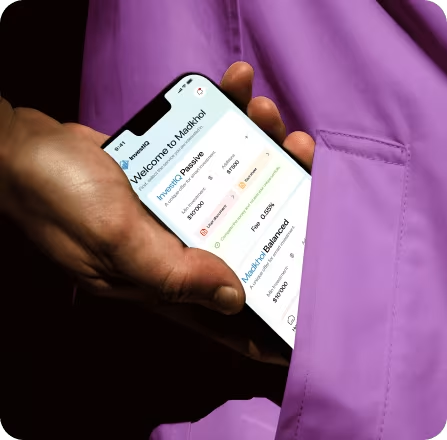
InvestIQ is a mobile investment app designed to help users monitor and manage their portfolios.
View Project
InvestIQ
Mobile Apps
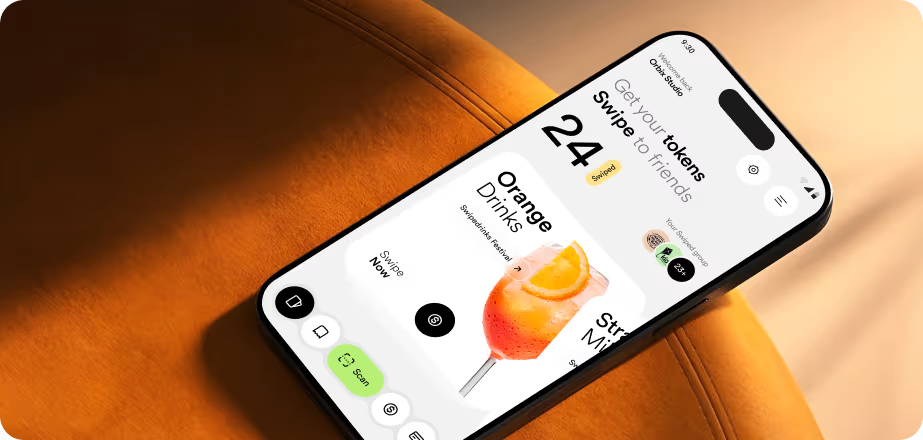
Swipe Drinks, a mobile event app where users buy drinks, send tokens to friends, and manage spending.
View Project
Swipe Drinks
Mobile Apps
.avif)
Flowrix is a modern, high-impact creative agency website built to showcase services, portfolios, and brand storytelling with clarity and confidence.
View Project
Flowrix website
Webflow Website
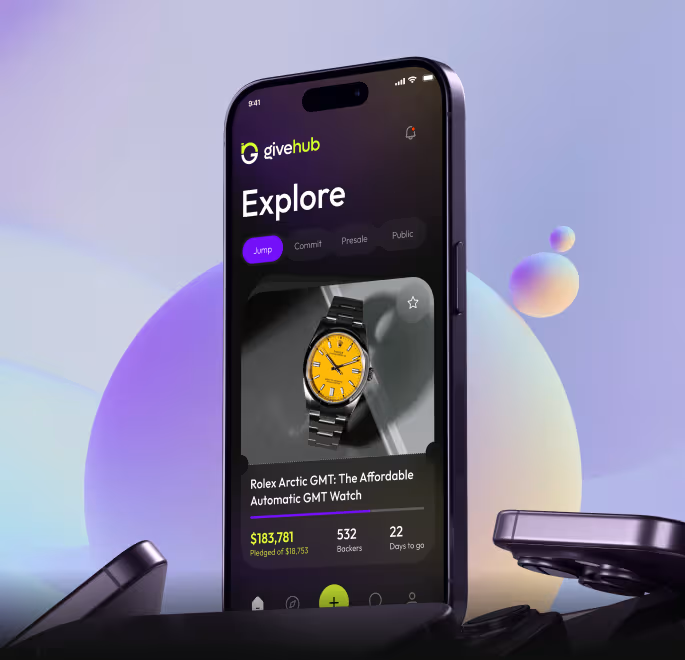
Reimagining charitable giving with verified NGOs, real-time impact tracking, and complete donation transparency
View Project
Givehub
Mobile Apps
.avif)
Simplifying Parcel Shipping with Modern Tracking and Management
View Project
Couriq Parcel
Mobile Apps
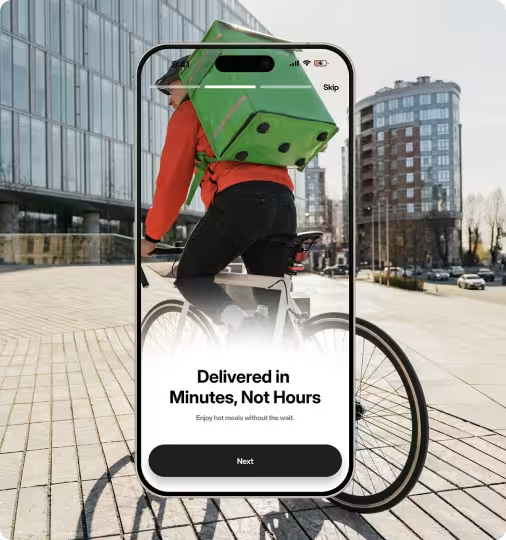
Gourmeat is a modern food delivery app that simplifies (ordering) (tracking) & (enjoying meals)
View Project
Gourmeat Food
Mobile Apps

Fastgo Scooty is a shared e-scooter app built for one thing: getting urban commuters from point A to point B without the wait.
View Project
Fastgo Scooty App
Mobile Apps

Our Services
UI UX Services in Dubai for Businesses That Need Better Digital Conversions
Dubai's diverse audience demands digital experiences that work for everyone. Our UI UX services help apps, websites, and SaaS products feel intuitive, trustworthy, and easy to use across different languages, devices, and user expectations.
.avif)
UX Consulting
Get a clear view of where your digital experience is losing users, trust, or momentum before committing to a redesign.
.avif)
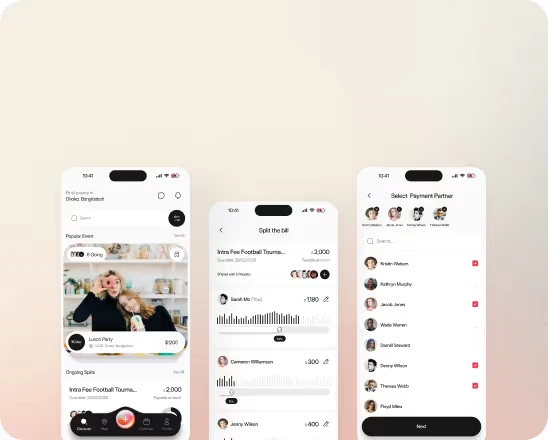
Mobile App UX Design
Make your app easier to understand, navigate, and return to, especially for users coming from ads, social, search, or WhatsApp.
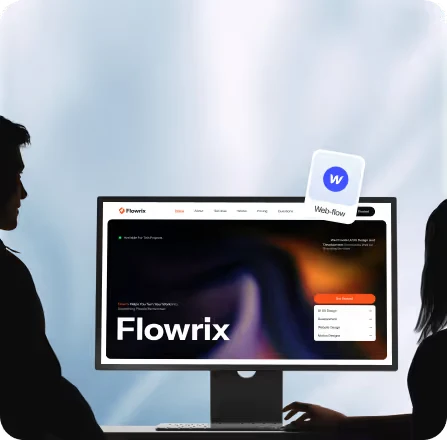
Website UI UX Design
Turn a polished Dubai brand into a website that feels just as clear, credible, and easy to move through online.
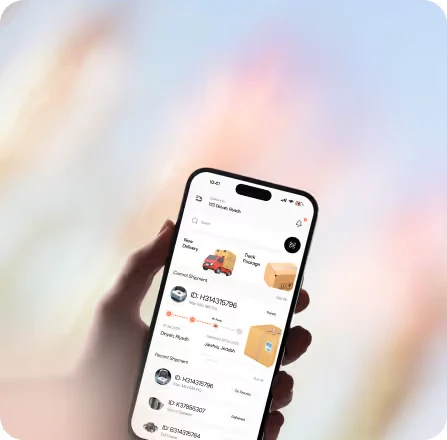
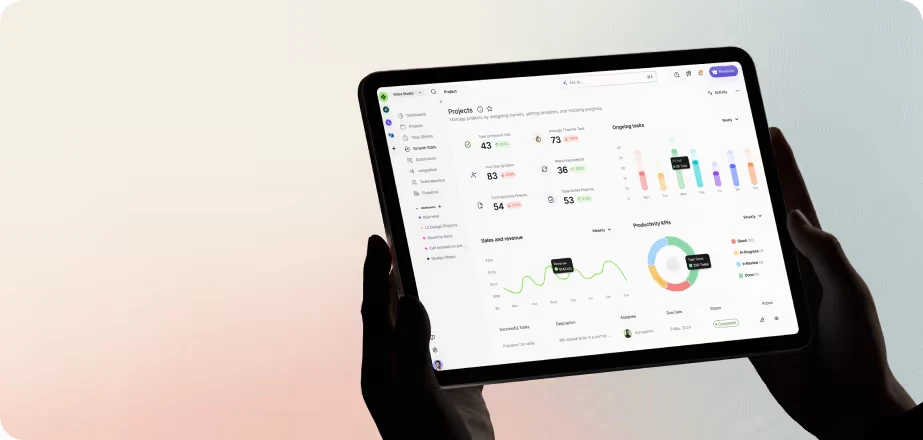
SaaS Product UX Design
Simplify complex dashboards, onboarding, and product flows so teams can understand the value without constant explanation.
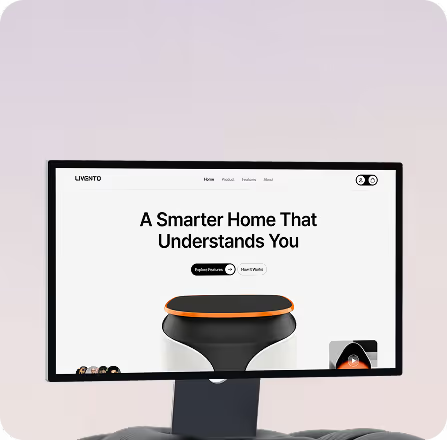
Landing Page UI UX Design
Build campaign pages that match visitor intent quickly and make offers, proof, and action points easier to understand.
.avif)
Design Systems & UI Libraries
Create reusable interface patterns that keep your app, website, and dashboard consistent as the product grows.
.avif)
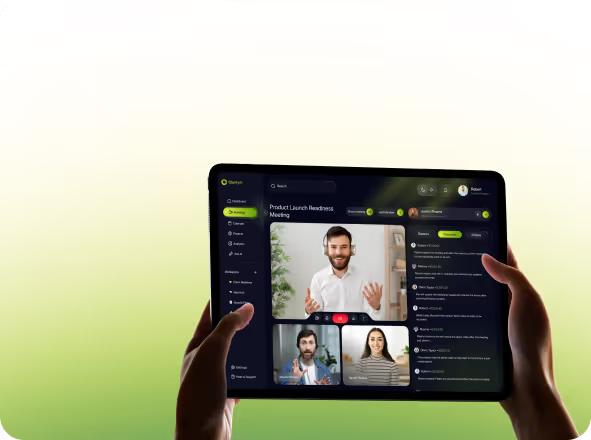
Wireframing & Prototyping
Test the structure of your product before development starts, so expensive decisions are caught while they are still easy to change.
UX/UI Audits
Find the weak points in your current interface, from confusing screens to trust gaps, slow decisions, and unclear next steps.
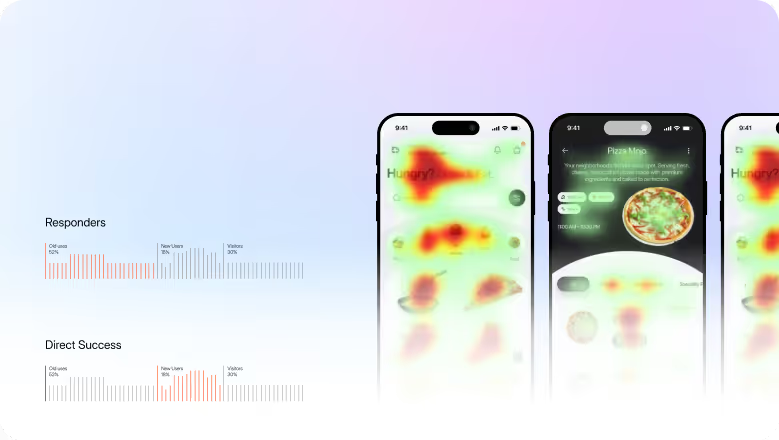
UX Research & Journey Mapping
Understand how different user groups move through your product so the experience is shaped around real decisions, not assumptions.
Our Process
A Faster Way To Design And Build SaaS Products
We simplify the product creation process for SaaS companies by combining strategy, design, and development into one efficient workflow focused on faster launches.
Step 1
Plan
.svg)
Define the Product Goal
We start by understanding your product idea and the most important features you need first.
Step 2
Structure
Create Product Experience
We plan the screens, user flows, and product structure before moving into development.

Step 3
Build
Design & Develop togather
Our designers and dev work together to turn the product into a launch-ready experience.
.avif)

Industries We Serve
UI UX Design Across Dubai’s Digital-First Sectors
We work with Dubai brands across law, real estate, ecommerce, healthcare, hospitality, SaaS, and professional services. Our UI UX solutions are built to match the way each industry attracts, informs, and converts its customers online.
Real Estate & PropTech
Buying or renting property in Dubai involves many decisions. We design UX for property platforms, listing portals, and agent dashboards that make information easier to explore, compare, and act on.
Healthcare & Aesthetic Clinics
Patients need confidence before choosing a healthcare or aesthetic clinic. We design clinic websites, treatment pages, and booking experiences that make important information easy to find and understand.
Ecommerce & Retail Tech
Small UX issues can have a big impact on ecommerce revenue. We design shopping experiences that make it easier for customers to browse and purchase products with confidence.
Hospitality, Travel & Experiences
Great visuals attract attention, but clear information drives bookings. We help hospitality, travel, and experience brands present pricing, packages, and booking details in a way that's easy to understand.
Fintech, Legal & Business Services
Fintech, legal, and business services rely on trust. Users need to understand which service fits their needs, what information is required, and what happens next before they move forward.
SaaS, Startups & B2B Platforms
For SaaS and startups, the challenge is showing value before the complexity. Clear onboarding, dashboards, and user flows help users get started with less friction.


What SaaS Teams Say About Working with Orbix Studio

Jessica Epley
Finance Manager, TN HomeBuyers
5/5

"Attention to detail showed in every step of the project. The new website delivered stronger conversions, higher organic traffic, and a smooth development experience."
52%
Higher online conversion rate
37%
Increase in organic search traffic

Rizwan Chaudhry
CEO, Cenmed Enterprises
5/5
"Every design decision had a clear purpose behind it. The final product feels more cohesive and much easier for customers to navigate."
41%
Faster Task Completion
92%
Design Consistency

Mark Boudreau
COO, Healthfully
5/5
"Orbix Studio kept the project organized, communicated clearly, and delivered everything on schedule."
100%
On-Time Delivery
<24 hrs
Average Response Time
Robel Yemane
Engineering Leader, Privilee
5/5
"It was clear we were working with people who knew what they were doing. Every milestone stayed on track, and the final microsite met all our expectations."
3 Weeks
Launch Timeline
100%
Reusable Components.

Olha Lomako
Founder, Modern Etiquette with Olha
5/5
"It never felt like just another project. Every decision was made with our goals in mind, and the team genuinely cared about getting everything right."
100%
Brand Alignment
4 Weeks
Project Completion

Jamie Prickett
CEO, Experior Financial Group
5/5
"Orbix Studio has made our day-to-day work more efficient, and our users have noticed the difference too. It's been a great experience from start to finish."
35%
Less Manual Work
94%
User Satisfaction

Vladimir Plancak
Software Developer, TIAC d.o.o.
5/5
"Working together was easy from day one. Whenever priorities changed, the team adapted quickly and kept everything moving without delays."
98%
On-Time Delivery
95%
Issue Resolution


Got Questions?
We’ve Got Answers
If you’re unsure where to start or want to see how we can help, reach out, and we’ll walk you through it.

Book an Intro Call
Let’s talk through your goals, your timeline, and how Orbix Studio can support your team.
%201%201.svg)

Do you prefer email communication?
hello@orbix.studioWhat makes UI/UX design different for businesses in Dubai?
Can you design Arabic and English user experiences?
Which industries do you specialize in across Dubai?
How much does UI/UX design cost in Dubai?
How long does a UI/UX design project usually take?
Can you work with our in-house developers or software team?
Do you follow accessibility standards like WCAG?
Can you help improve conversions, bookings, or lead generation?
How do you make sure the design matches our brand and target audience?
How do we get started with a UI/UX project?
Book an Intro Call
Let’s talk through your goals, your timeline, and how Orbix Studio can support your team.
Do you prefer email communication?
hello@orbix.studio
.svg)


.svg)

.svg)

















.avif)
