


- What Actually Drives Website Design Cost
- Website Design Cost by B2B SaaS Stage
- Why B2B SaaS Costs More Than a Generic Business Site
- Website Design Cost vs Redesign Cost
- What's Included at Each Price Tier
- Real Cost Example Breakdown
- Budgeting Mistakes to Avoid Design Cost
- How to Choose the Right Budget for Your Stage
- Frequently Asked Questions
- Getting to Your Number


.svg)


%201%201.svg)
How Much Does Website Design Cost for a B2B SaaS Company?
- Website design cost for a B2B SaaS company runs from $5,000 to $150,000 or more.
- Complexity, not page count, sets the price: strategy, integrations, and content decide the number.
- Founders often compare quotes by page count and end up choosing the wrong budget.
Website design cost for a B2B SaaS company runs from $5,000 for an early-stage build. It can climb past $150,000 for a full sales-led site with integrations and a content system. That range feels wide because the question itself is incomplete.
A five-page site with a contact form is not the same project as a five-page site with CRM sync and gated case studies. Both would answer "five pages" if you asked. Only one of them costs $50,000 more to build, and the difference has nothing to do with page count.
This guide breaks the number down by company stage. It shows what actually moves the price, then walks through a real example so you can place your own project on the map. For a broader look at general SaaS pricing, our full SaaS website cost breakdown covers non-B2B products too. Here, the lens stays fixed on B2B SaaS specifically.
What Actually Drives Website Design Cost
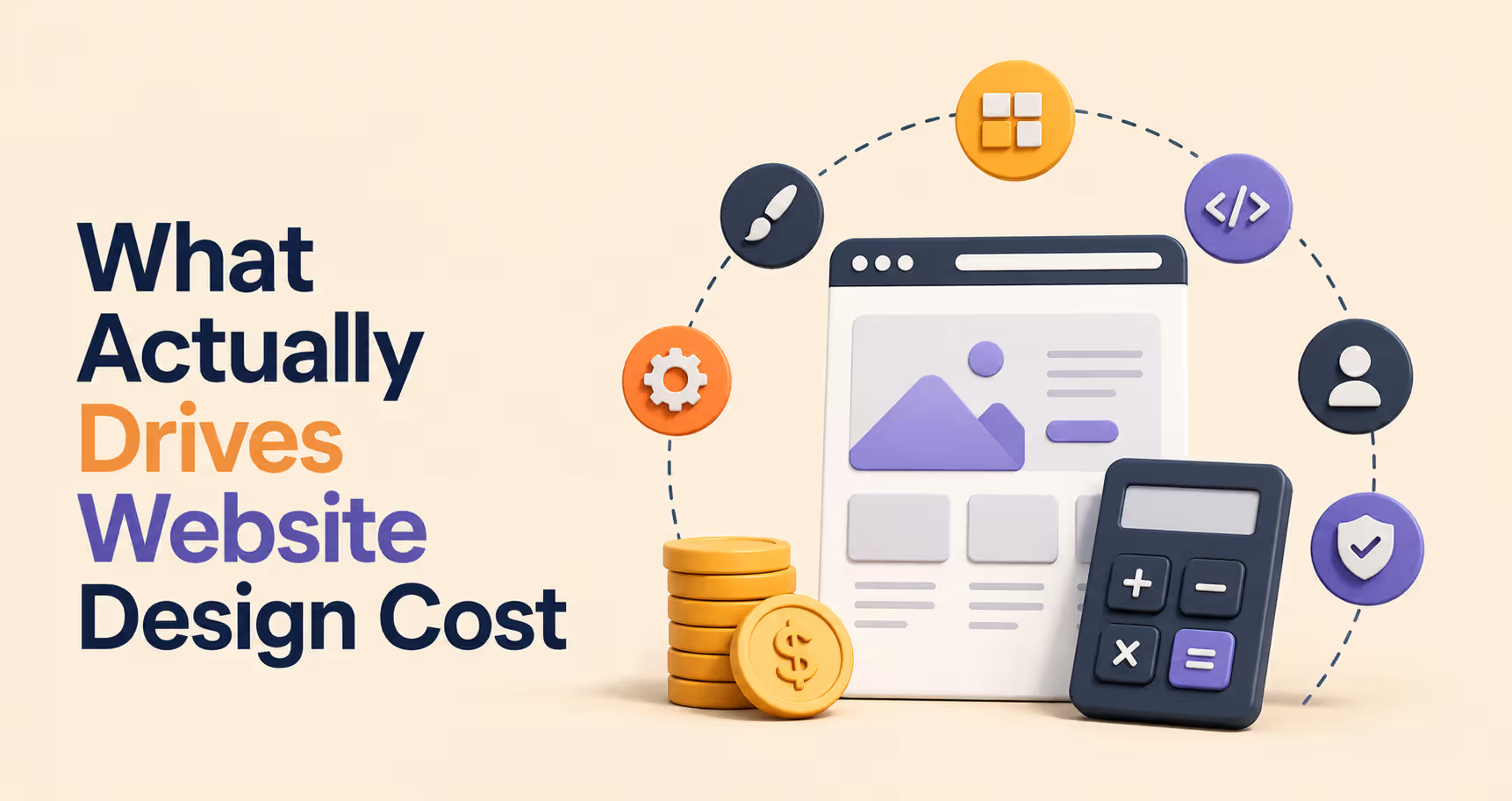
Website design cost is driven by the amount of strategy, content, and technical work a project needs. Page count barely factors in.
Two ten-page sites can cost $8,000 and $60,000 for the same company. One uses a template with a contact form. The other needs CRM integration and a design system built from scratch.
Page count is the number agencies quote fastest. It's also the number that predicts the worst price.
Look at what actually eats the budget on a real project. Custom design work costs more than a template because every section gets designed, reviewed, and refined instead of adjusted. Integrations add engineering hours that never show up in a homepage mockup.
Content is the quiet cost driver that quotes routinely underestimate. Case studies and use-case pages need research and writing a designer alone cannot deliver. That research time rarely appears on the invoice line labeled "design," which is exactly why final bills run over the first estimate.
According to Forbes Advisor's 2026 pricing research, professionally built websites across all industries range from $500 to $500,000. The gap is explained almost entirely by functionality and content scope, not by industry or company size alone. B2B SaaS sites sit toward the upper half of that range by default, because the sales motion itself demands more from every page.
The real question is never "how many pages do you need." It's "how much decision-making does each page have to carry."
That distinction matters even more once a B2B sales motion enters the picture. Here's where stage comes in.
Website Design Cost by B2B SaaS Stage
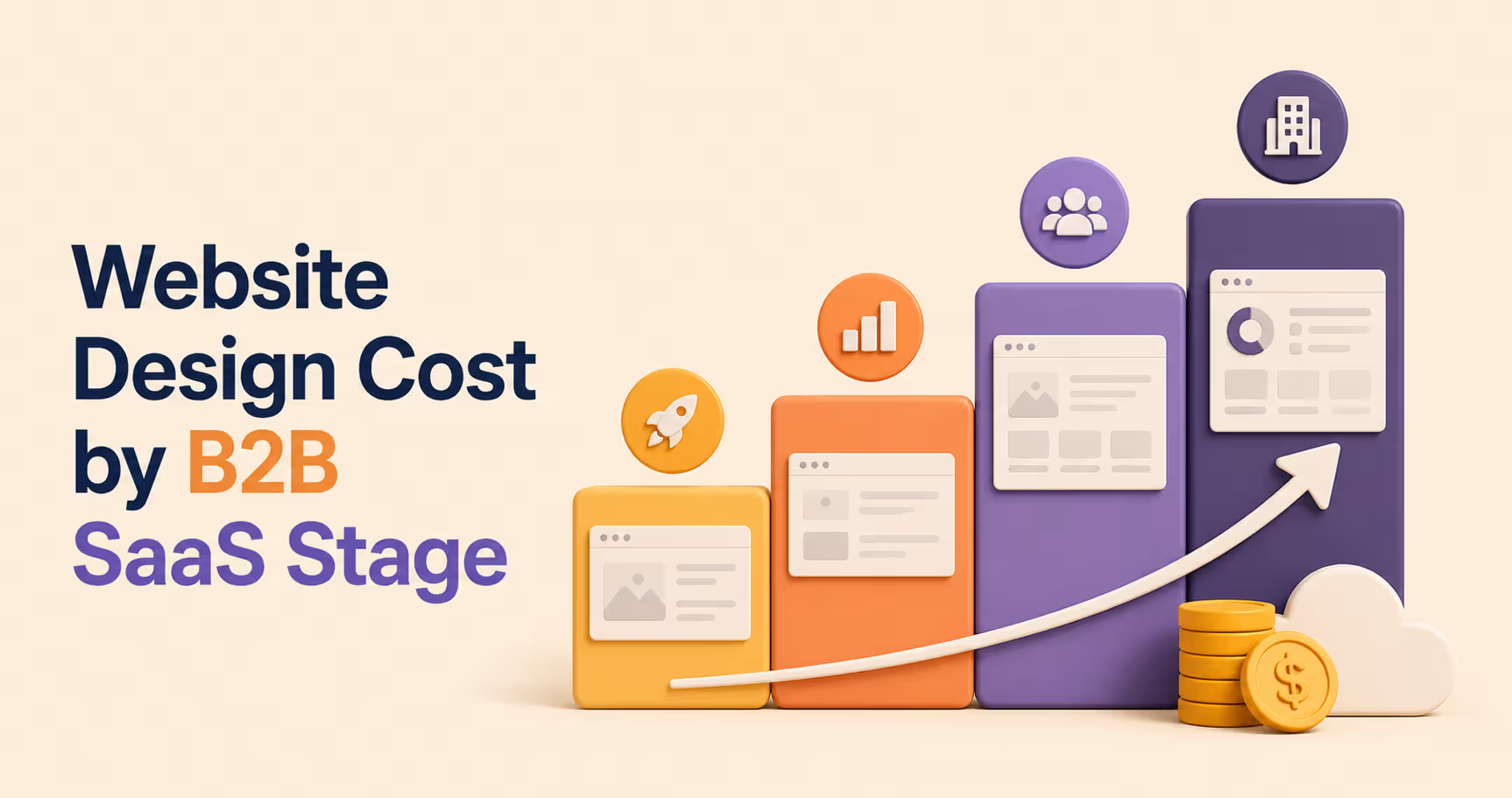
Website design cost for B2B SaaS scales with company stage, because each stage needs the site to do a different job. A pre-seed company needs proof it exists. A Series A company needs the site to carry a sales team's entire first meeting before a rep ever joins the call.
Founders scoping a first website often start at the pre-seed and MVP stage, where the goal is validation, not scale. Building the enterprise version of a site before there's an enterprise-size team to run it is a costly planning error. It shows up later as a full rebuild instead of a simple upgrade.
Funding stage is a rough proxy, not a rule. A bootstrapped company with 40 paying customers and a real sales process often needs the Series A row on that table. Bank balance has little to do with it.
So which row applies to you? The next section explains why the B2B row costs what it does.
Why B2B SaaS Costs More Than a Generic Business Site
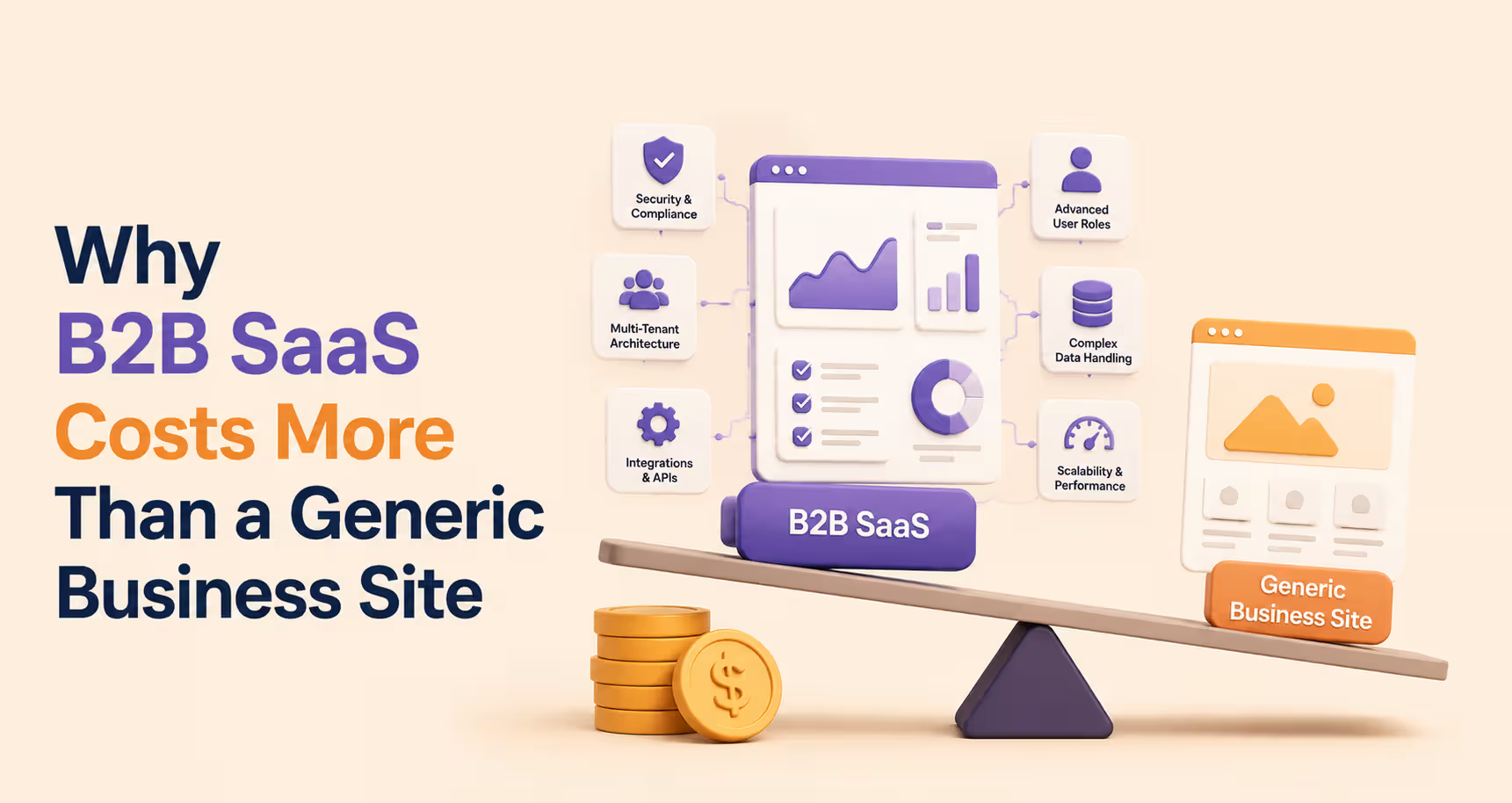
B2B SaaS websites cost more than generic business sites because they have to sell to a group, not a person. Gartner's research on the B2B buying journey found that a typical B2B purchase now involves six to ten decision makers. Each one does independent research before the group compares notes. One homepage cannot speak to a CFO, a security lead, and a daily user with the same three sentences.
That's why B2B SaaS sites need B2B-specific design instead of a generic template pass. A B2B SaaS company sells a recurring product to an organization, not an individual. That difference stretches the buying process out over weeks or months instead of minutes. The website has to carry case studies, security details, and integration proof that a consumer landing page never needs.
B2B SaaS websites cost more because they sell to a committee, not a click. Every one of those requirements costs design and content hours. A security page alone can take a week to research, write, and build correctly. A company selling to finance or healthcare buyers often needs two or three pages like it before a single deal closes.
Content depth compounds the gap further. A B2B SaaS buyer reads case studies, integration docs, and pricing FAQs before ever requesting a demo. Each of those pages has to carry its own proof instead of leaning on the homepage. That's design and writing work a five-page consumer site never needs.
Website Design Cost vs Redesign Cost
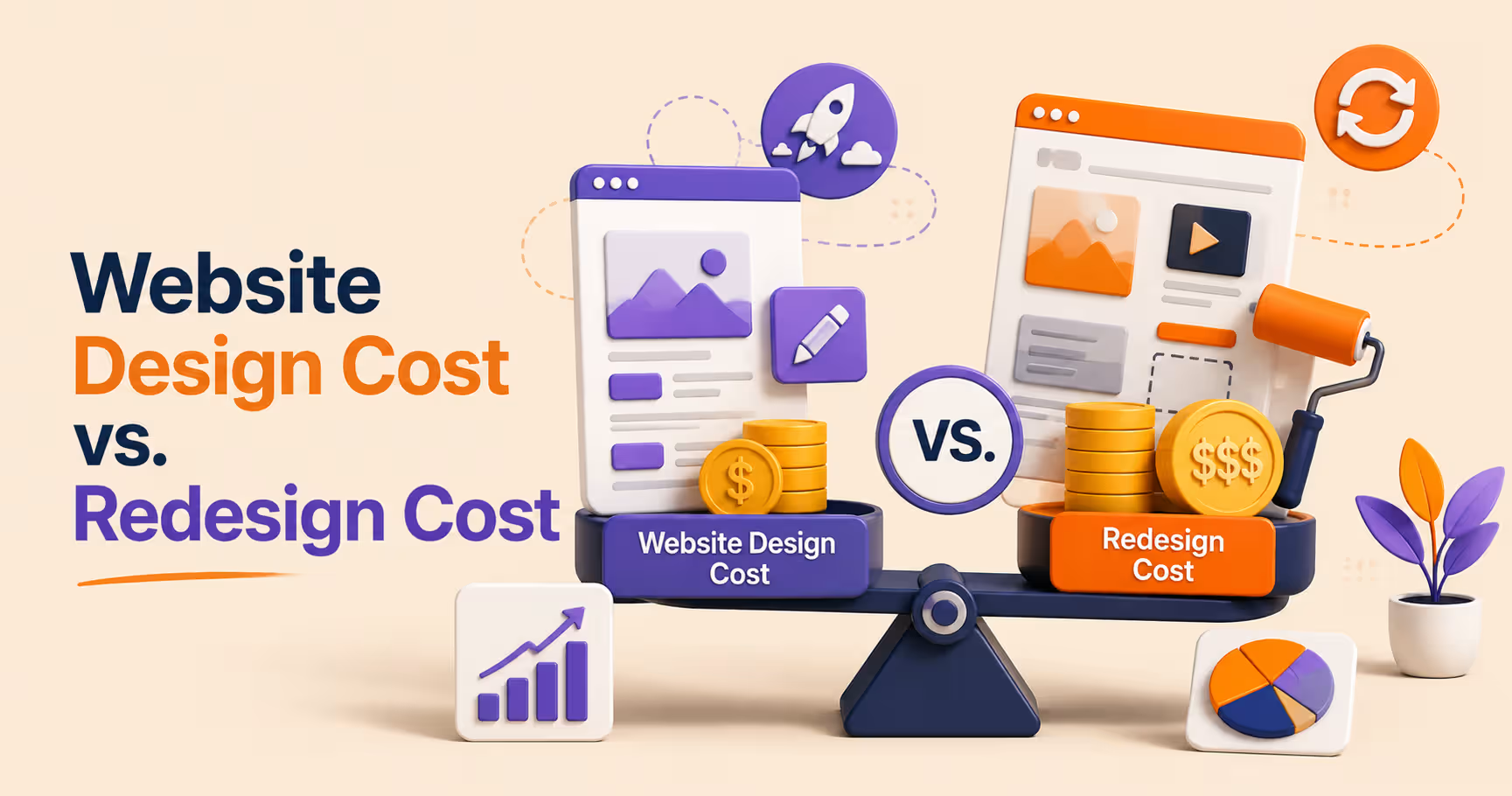
Website design cost and redesign cost are not the same line item, and treating them as one leads to underbudgeting. A new build starts from a blank page. A redesign inherits existing content, existing SEO equity, and existing opinions about what should stay.
That inheritance adds cost. It doesn't reduce it. A redesign needs a content audit, a migration plan, and sign-off from people who remember why the old version looked the way it does. Budget 10 to 20 percent more for a redesign than an equivalent new build, since that audit and migration work rarely gets quoted upfront.
What's Included at Each Price Tier
Each website design cost tier includes a different set of deliverables. The gap between tiers is rarely about visual polish alone. A $10,000 site gets a homepage, a pricing page, and a handful of feature pages built on a fast platform. A $60,000 site gets all of that plus a design system, CRM-connected forms, and content built to convert a buying group, not a single visitor.
Here's how the deliverables typically break down. Four bands cover the common B2B SaaS budgets, from a bare-minimum launch to a full enterprise build.
- Under $15,000: Core pages, one CMS-driven blog, no custom integrations
- $15,000–$40,000: Custom visual system, 10 to 15 pages, basic marketing automation connection
- $40,000–$80,000: Case study templates, CRM sync, multi-audience navigation, design and development handled by a specialist agency
- $80,000+: Full design system, developer documentation, multi-product architecture
Teams often choose a fast-build platform like Webflow at the lower tiers specifically because it cuts development hours without cutting design quality. That single choice can move a project down a full price tier, sometimes by $15,000 or more on its own.
None of those figures include what happens after launch. Agencies typically bill an ongoing website retainer separately, usually $1,500 to $10,000 a month depending on how often content, integrations, and CRM fields need updating. Leaving that number out of the original budget is one of the fastest ways a project feels more expensive than it was quoted.
Real Cost Example Breakdown
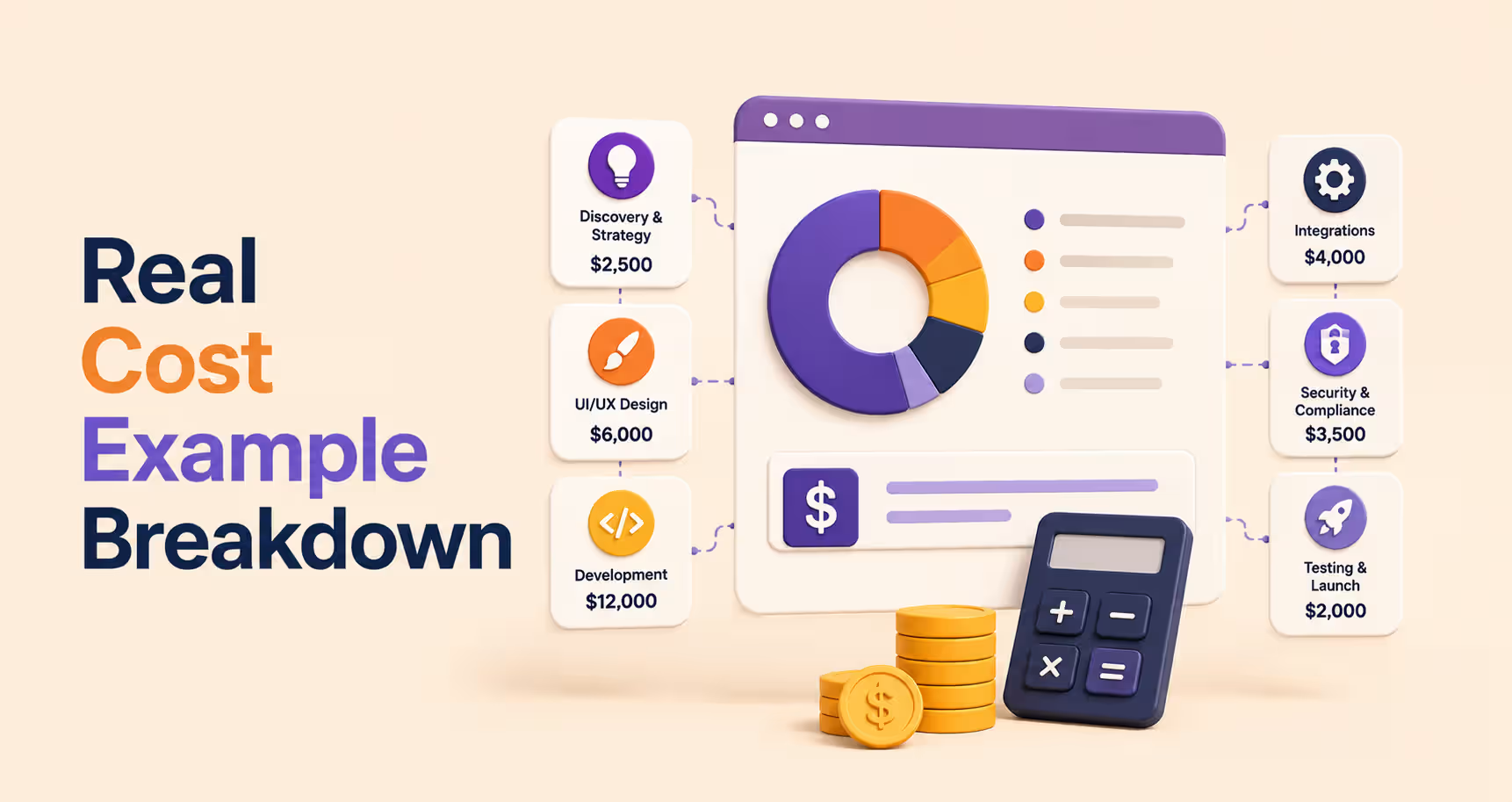
A real cost example makes the tiers easier to place than any table alone. Take a B2B recruiting platform at Series A. Three founders, a small sales team, and a product that needed to prove itself to hiring managers and finance approvers in the same visit.
When we scope a project like this, the pattern holds steady. The homepage carries one clear promise. Product pages carry proof for two different buyer types. A case study section needs to exist before the first sales call happens, not after it.
Our recruiting platform website project followed that exact shape. It shipped with multi-audience navigation and a case study template built for repeat use. The pricing page was designed to answer objections before a rep ever got on a call. That one change cut the volume of "just checking pricing" emails the sales team had to field every week.
Projects at this size land in the $25,000 to $75,000 band from the table above. The variable that moves the number inside that range is almost always integration count, not page count.
Want a second set of eyes on where your project fits? See how Orbix Studio scopes B2B SaaS websites ->
Budgeting Mistakes to Avoid Design Cost
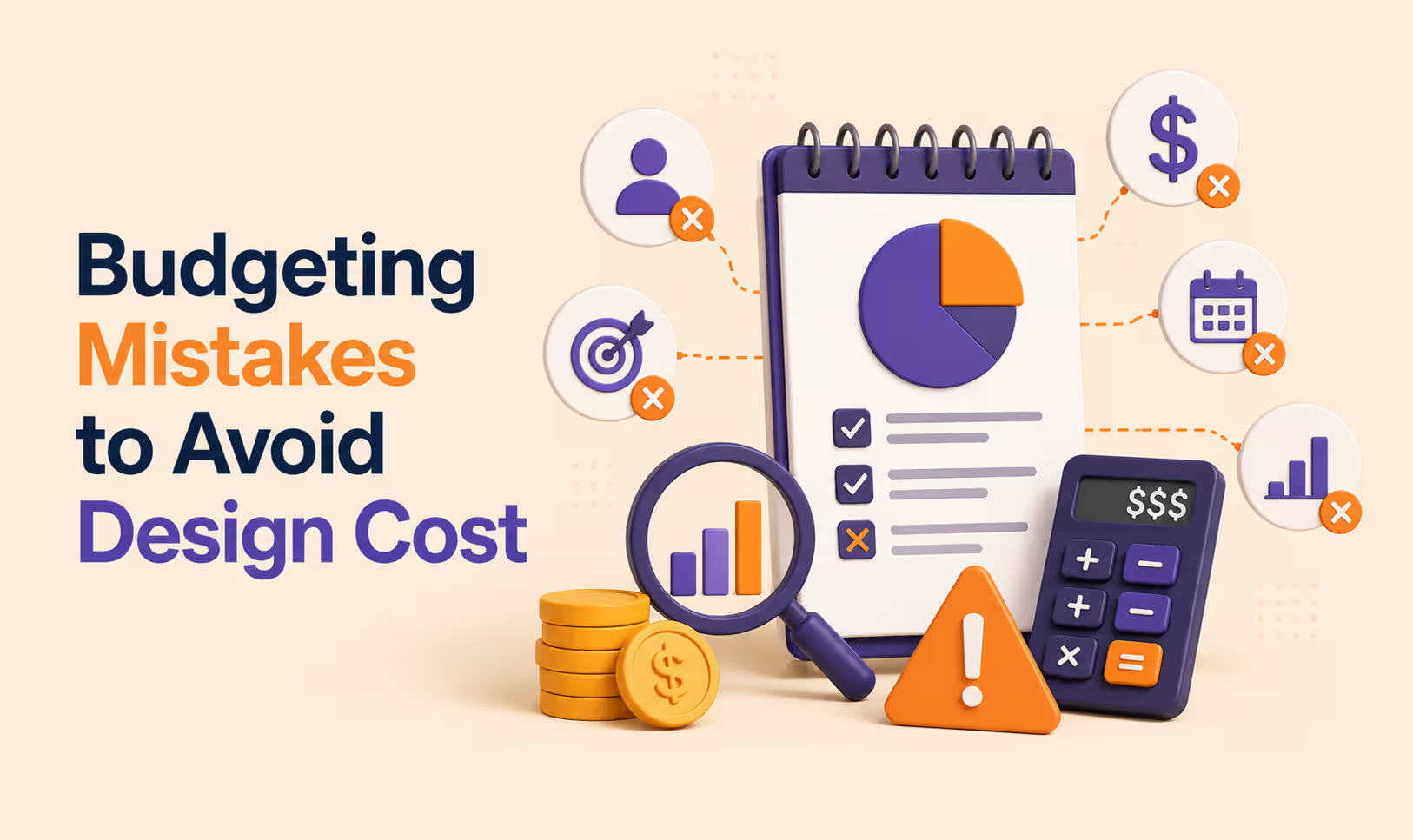
Website design cost mistakes almost always come from comparing the wrong thing or skipping a step that gets expensive later. Three mistakes repeat often enough to name directly.
- Comparing quotes by page count. A 10-page custom build and a 10-page template are not the same project, even at the same price.
- Choosing the cheapest bid without checking scope. Research, messaging, and content planning get quietly dropped to hit a lower number.
- Deciding between an in-house designer and an outside team without weighing speed against ongoing cost. In-house hires cost more monthly but compound in value over time. Outside teams move faster but end when the project ends.
- Forgetting the ongoing retainer when comparing project quotes. A cheaper build with a $8,000 monthly retainer can cost more over two years than a pricier build with a lighter maintenance plan.
Skipping SEO planning until after launch belongs on this list too. Retrofitting a content structure costs more than planning it during the build. Pages already live have to be migrated and redirected instead of designed once from a blank page.
How to Choose the Right Budget for Your Stage

Choosing the right website design budget starts with the growth goal, not the available cash. A company trying to validate an idea needs a $5,000 to $10,000 site that proves the product is real. A company trying to shorten a sales cycle needs a $25,000-plus site that does part of the selling before a rep joins the call.
Match the number to the outcome needed over the next two quarters. If the bottleneck is conversion rate on existing traffic, a bigger budget spent on UX and proof pages pays back faster. Spending the same money on visual polish alone rarely moves that number at all.
Deal size changes the math too. A product with a $50,000 average contract value can justify a heavier website investment than one with a $500 monthly plan. One closed deal covers a far larger share of the build cost.
The right budget is whatever removes the specific bottleneck slowing the pipeline down this quarter. Nothing more, nothing less.
Frequently Asked Questions
How much does website design cost?
Website design cost ranges from $500 for a DIY template site to $150,000 or more for a custom B2B SaaS build. Professionally designed small business sites typically fall between $5,000 and $15,000. Price depends on design complexity, page count, integrations, and content needs, not a fixed per-page rate.
How much does a B2B SaaS website specifically cost?
A B2B SaaS website typically costs $25,000 to $75,000 at the Series A stage, driven by case studies, CRM integration, and multi-audience UX needs. Earlier-stage companies can launch for $3,000 to $10,000, while enterprise SaaS sites with multiple products often exceed $100,000.
What's the biggest factor in website design pricing?
Complexity is the biggest factor in website design pricing, well ahead of page count. Integrations, custom design work, and content requirements move price far more than adding extra pages. A five-page site with CRM sync can cost more than a twenty-page template site.
Is it worth paying more for a custom-designed website?
Custom design earns its cost when buyer research shows generic templates fail to answer specific objections your audience raises. Early-stage companies validating an idea rarely need it yet. B2B SaaS companies selling to a buying group, on the other hand, usually do.
How long does a B2B SaaS website project take?
A B2B SaaS website project typically takes 8 to 14 weeks at the Series A budget tier. A pre-seed MVP site can launch in 3 to 6 weeks. Enterprise projects with multiple integrations and design systems can run 14 to 24 weeks from kickoff to launch.
What should I ask an agency before getting a quote?
Ask what's included at each price tier, how many revision rounds are covered, and whether content writing sits inside the scope or gets billed separately. A quote without a clear answer to all three usually hides scope gaps that surface mid-project.
Should I get multiple quotes before choosing a website design partner?
Getting two or three quotes helps compare scope, not just price. The cheapest number often excludes content, integrations, or revisions the highest quote includes by default. Compare what each quote covers, line by line, before deciding based on the total.
Getting to Your Number
Every price range in this guide points back to the same decision filter. Match the budget to what the site has to prove, not to what a template can technically deliver.
Pull your current traffic bottleneck from the sections above. Pull your buying group size too. Those two inputs predict your real number better than any industry average.
Start by placing your company on the stage table above. Write down the one outcome the site needs to hit this quarter before requesting a single quote.
Ready to scope your own project? Book a discovery call with Orbix Studio ->





















.avif)
